

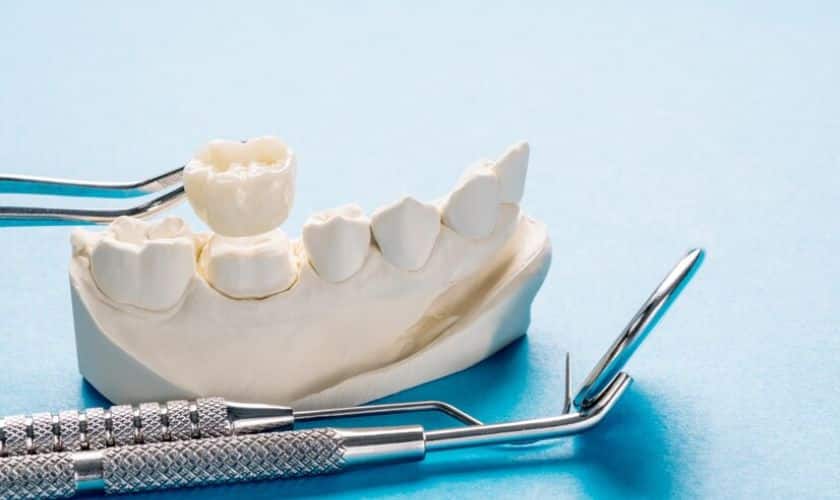
When it comes to dental treatments, there are a lot of misconceptions floating around. One of the most misunderstood procedures is dental crowns. While they have been used for decades to restore damaged teeth and improve oral health, many people still have misconceptions about them. In this blog post, we will debunk five common myths about dental crowns, so you can make an informed decision when it comes to your dental care.
What are dental crowns?
Dental crowns are a common dental procedure used to restore damaged or decayed teeth. Crowns are essentially caps that fit over the top of a tooth, covering it entirely and providing protection and support for the underlying structure.
Crowns can be made from a variety of materials, including porcelain, ceramic, metal alloys, or resin. Each material has its advantages and disadvantages depending on the location of the tooth and personal preferences.
The process for getting a crown typically involves two appointments with your dentist. During the first appointment, your dentist will prepare the affected tooth by removing any decay or damage before taking impressions to create an exact mold of your tooth.
Once this is done, your dentist will place a temporary crown while you wait for your permanent crown to be created in a dental lab. At your second appointment, your dentist will remove the temporary crown before fitting and cementing the permanent one in place.
Dental crowns provide an effective solution for restoring both form and function to damaged teeth while also improving their appearance. It’s important to discuss with your dentist which type of crown is best suited for you based on factors such as cost, durability, and aesthetic preference.
1. Crowns are not removable
One common misconception about dental crowns is that they are removable. However, once a crown is placed on the tooth, it becomes a permanent fixture in your mouth.
The process of placing a crown involves reshaping the existing tooth structure to fit the crown securely. The crown is then cemented onto the remaining tooth structure and acts as protection for the underlying natural tooth.
Removing a dental crown can damage both the natural tooth and the surrounding gum tissue, making it an irreversible procedure. In some cases, removal may be necessary due to complications or damage to the crown itself.
It’s important to understand that, while crowns are not removable, proper care and maintenance can extend their lifespan. Regular brushing and flossing will help prevent decay from forming around the edges of the crown and ensure its longevity.
If you have any concerns about your dental crowns or would like more information on how to care for them properly, consult with your dentist for personalized guidance.
2. Crowns do not require any maintenance
One common misconception regarding dental crowns is that they do not require any maintenance. This couldn’t be further from the truth! While it’s true that dental crowns are designed to last for many years, they still require regular care and attention in order to keep them in good condition.
First of all, it’s important to remember that even though a crown covers your tooth, the underlying tooth structure can still decay or become damaged if you’re not careful. That means maintaining good oral hygiene habits like brushing twice a day, flossing daily, and seeing your dentist regularly for checkups and cleanings is just as important with a crown as it is without one.
In addition to keeping up with your regular oral hygiene routine, there are some additional steps you may need to take depending on the type of crown you have. For example, if you have a porcelain crown, you’ll want to avoid biting down on hard objects or using your teeth to open packages in order to prevent chipping or cracking.
If you notice any changes in how your crown feels – such as sensitivity when biting down – don’t hesitate to contact your dentist right away. Catching any potential issues early can help prevent more serious problems down the line and ensure that your dental work lasts for years to come.
3. Crowns are permanent
One common misconception about dental crowns is that they are permanent. While it’s true that crowns are designed to be long-lasting, they aren’t necessarily meant to last forever.
Like any dental restoration, a crown can wear down over time due to normal use and regular wear and tear. Additionally, if the underlying tooth begins to decay or develop other issues, the crown may need to be replaced in order to maintain oral health.
However, this doesn’t mean that you should avoid getting a crown altogether because of concerns about its longevity. In fact, many people find that properly cared-for crowns can last for years or even decades before needing replacement.
Ultimately, whether a crown is considered “permanent” will depend on how well it holds up over time and how effectively it meets your specific dental needs. So while you shouldn’t assume that all crowns will remain in place indefinitely, don’t let fears about their durability prevent you from seeking out necessary restorative treatment when needed.
4. Crowns are only good for certain teeth
One common misconception about dental crowns is that they are only suitable for certain teeth. While it’s true that some teeth may require a different type of restoration, such as veneers or fillings, dental crowns can actually be used to treat a variety of dental issues.
For instance, if you have a tooth that is severely decayed or fractured, a crown can help restore its functionality and appearance. Crowns can also be used to support bridges or cover implants.
Additionally, if you have discolored or misshapen teeth, crowns can be an effective cosmetic solution. They are designed to match the color and shape of your natural teeth so that your smile looks seamless and beautiful.
It’s important to note that not every tooth will require a crown – your dentist will need to assess your individual needs and determine the best course of treatment for you. However, don’t let the misconception that crowns are only good for certain teeth prevent you from exploring this option with your dentist.
5. Crowns cost a lot of money
One of the most common misconceptions regarding dental crowns is that they cost a lot of money. While it is true that getting a dental crown can be expensive, there are several factors that affect its overall cost.
The first factor to consider is the material used for the crown. There are several materials available, each with different costs and benefits. For example, porcelain crowns tend to be more expensive than metal or resin ones due to their natural appearance and durability.
Another factor that affects the price of dental crowns is the location of your dentist’s office. Dental clinics in urban areas may charge more than those located in rural areas due to differences in operating costs.
Additionally, some insurance plans cover part or all of the cost of dental crowns, which can significantly reduce out-of-pocket expenses for patients.
It’s important to remember that while initial costs may seem high, investing in a good-quality crown can save you money over time by reducing future dental problems and avoiding costly procedures such as root canals or extractions.
While it’s true that dental crowns may seem pricey at first glance, there are many factors involved in determining their overall cost. It’s always best to consult with your dentist about options and payment plans so you can make an informed decision about what works best for your budget and oral health needs.
Summary
To sum it up, dental crowns are a fantastic solution for various dental issues. However, there are many misconceptions surrounding them that need to be addressed. Crowns are not removable and require regular cleaning and maintenance, just like natural teeth. They can also be used on any tooth if necessary, and they are a permanent option.
While the cost of getting dental crowns might seem high initially, it is essential to remember that they provide long-term benefits such as improved oral health and appearance. Moreover, insurance plans often cover all or part of the costs associated with this treatment.
We hope this article has helped clear up some misconceptions regarding dental crowns. If you’re experiencing any dental problems or have concerns about your oral health, consult with a professional dentist to determine whether dental crowns may be right for you.

New Patients & Emergency Appointments Welcome!
