

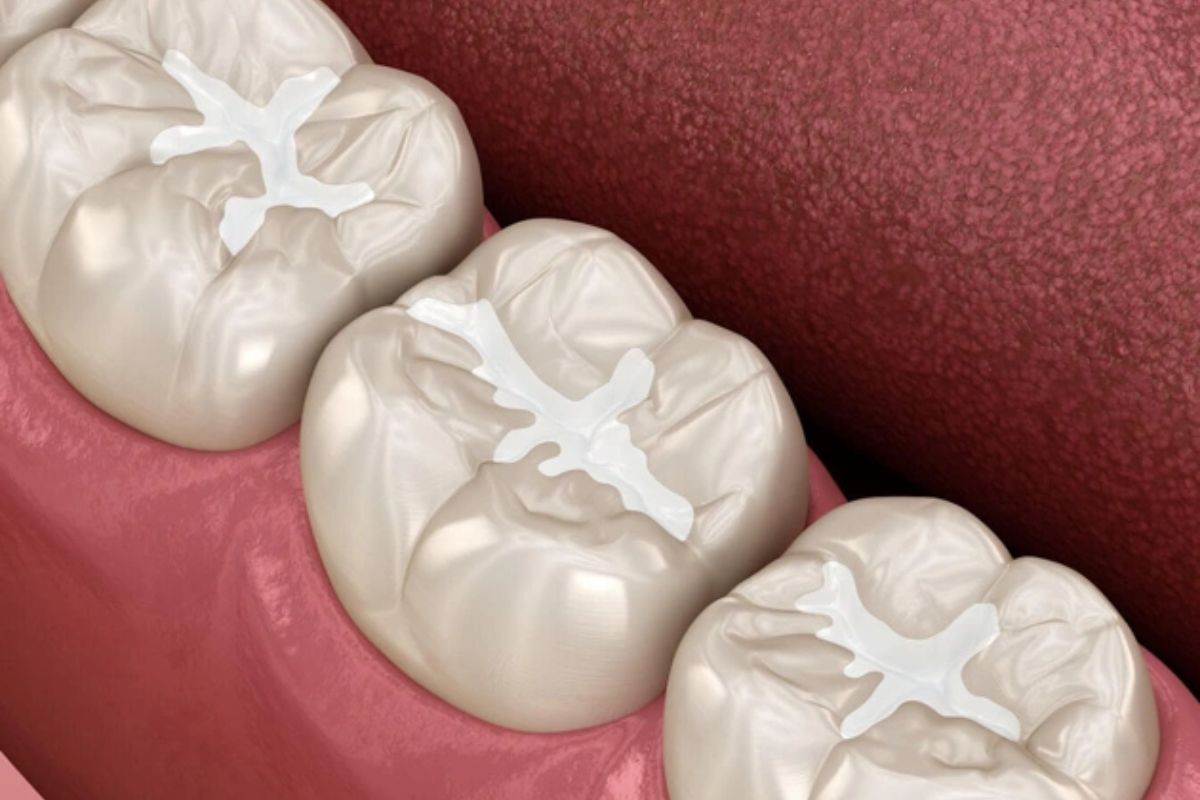
Tooth decay is a common issue that can affect people of all ages. Left untreated, cavities can worsen over time, leading to more serious dental complications like infections or tooth loss. Fortunately, dental fillings offer a reliable way to restore damaged teeth and prevent further decay.
If you’re curious about how fillings work, what materials are used, or whether you’re a good candidate, this guide will help answer your most important questions.
What Are Dental Fillings?
Dental fillings are a dental treatment that repairs minor to moderate tooth decay or damaged areas. During the procedure, your dentist removes the decayed part of the tooth and “fills” the cavity with a specialized material to restore its shape and function.
Fillings repair teeth and prevent bacteria from entering and causing additional decay. Modern fillings are designed to be strong and durable and match the color of natural teeth.
Types of Filling Materials
There are several different materials that dentists may use for fillings, depending on your specific dental needs and preferences:
- Composite Resin: Tooth-colored and ideal for front teeth or visible areas.
- Amalgam: A silver-colored blend of highly durable metals, often used for back teeth.
- Ceramic: Porcelain-based, stain-resistant, and natural-looking, but typically more expensive.
- Gold Fillings: Very durable but highly noticeable and costly.
Your dentist will recommend the best material based on the cavity’s location and severity, budget, and aesthetic concerns.
When Do You Need a Filling?
You might need a filling if you experience:
- Tooth sensitivity to hot, cold, or sweet foods
- Visible holes or pits in your teeth
- Pain when biting or chewing
- Dark spots or discoloration
Only a professional dental exam and X-rays can confirm whether a filling is necessary. Regular checkups are essential to catch cavities early before they worsen.
What to Expect During the Procedure?
The filling process is quick and relatively painless:
- Numbing the Area: A local anesthetic is applied to ensure comfort.
- Removing Decay: The dentist removes the decayed part of the tooth using a dental drill or laser.
- Cleaning the Cavity: The area is thoroughly cleaned to eliminate bacteria.
- Applying the Filling: The chosen material is applied in layers and hardened with a special light.
- Shaping and Polishing: Finally, the dentist shapes the filling to match your bite and polishes it for a smooth finish.
Long-Term Care for Fillings
After receiving tooth-colored dental fillings for cavity treatment, maintain proper oral hygiene to prolong their lifespan. Brush twice with fluoride toothpaste, floss daily, and avoid biting hard objects like ice or pens. Regular dental visits help monitor your fillings and ensure they’re still intact.
Conclusion
Dental fillings are a simple yet powerful way to restore damaged teeth and prevent future oral health problems. If you’re experiencing symptoms of tooth decay or want a professional evaluation, the team at Island Dental is here to help.
Contact us today to get personalized care and long-lasting results.
FAQs About Dental Fillings
1. How long do dental fillings last?
Composite fillings usually last 5–10 years, while metal-based ones like amalgam or gold can last 10–15 years or more with proper care.
2. Is getting a dental filling painful?
Most patients report minimal discomfort. A local anesthetic is used to numb the area, so you shouldn’t feel pain during the procedure.
3. Can a filling fall out?
Yes, fillings can loosen or fall out due to wear, grinding, or decay around the edges. If this happens, contact your dentist immediately.
4. Are dental fillings safe?
Yes, modern filling materials like composite resins and ceramics are safe and widely used. Amalgam has been used for decades and is considered safe by dental associations.
5. Can I eat after getting a filling?
If you received a composite filling, you can usually eat right away. For amalgam fillings, it’s best to wait a few hours to allow the material to fully set.
Related Articles
New Patients & Emergency Appointments Welcome!
