

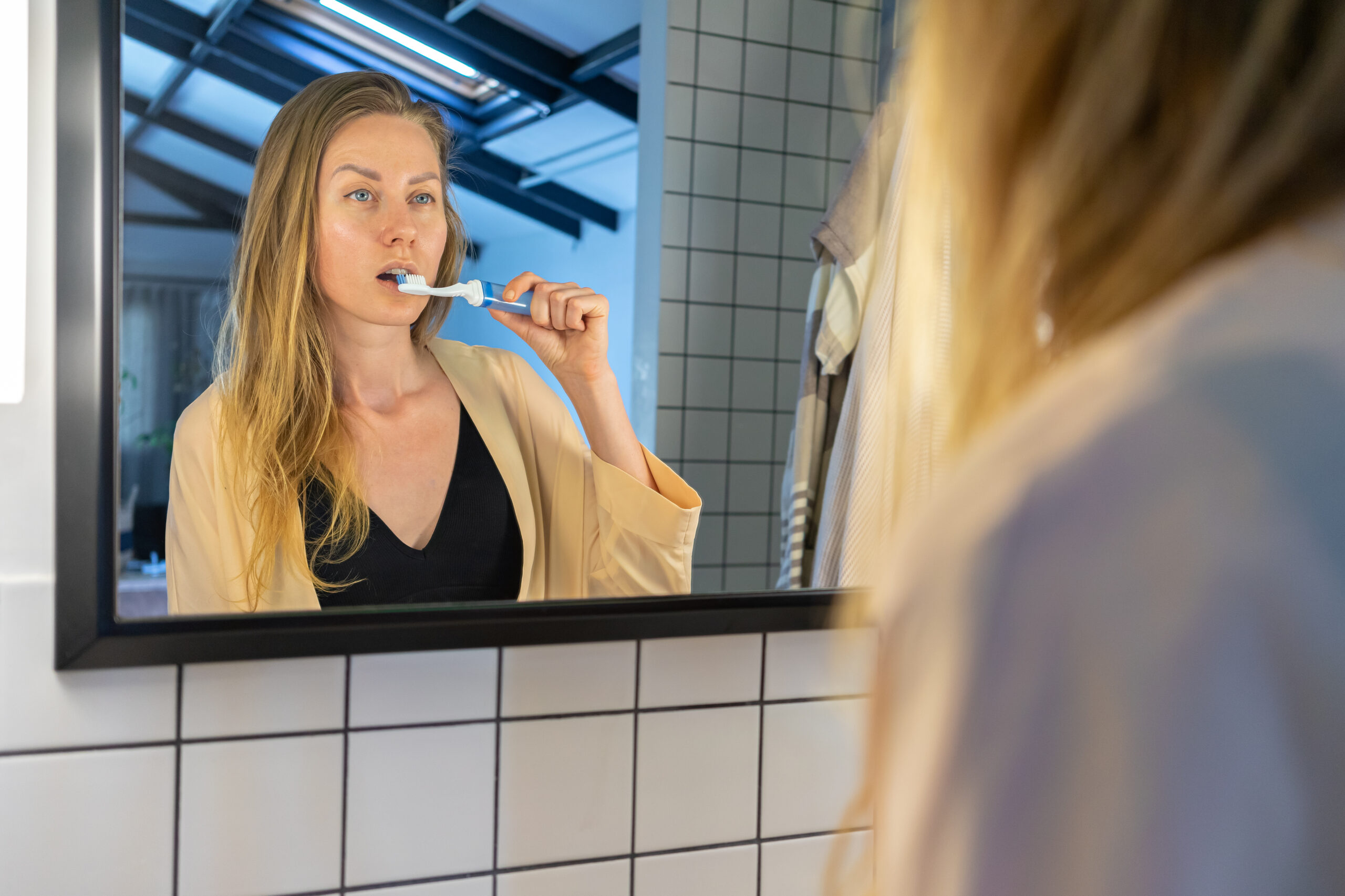
Many patients ask the same question during dental visits: “Am I doing enough at home to keep my teeth healthy?” Between busy schedules, work commutes, and daily responsibilities, it can be easy for oral care routines to become inconsistent. Some adults also realize that brushing habits they learned earlier in life may not always follow current dental recommendations.
This is where a simple guideline often shared in dental offices becomes helpful. The 2-2-2 rule is an easy way to remember the basics of healthy oral care. It gives families a clear structure for daily hygiene and professional dental visits. For patients looking for guidance from a dentist in Gilbert, this rule offers a practical framework that fits easily into everyday routines.
What Is the 2-2-2 Rule in Dentistry?
The 2-2-2 rule is a widely recommended guideline used to support long-term oral health. It includes three simple habits:
- Brush your teeth two times per day
- Brush for two minutes each time
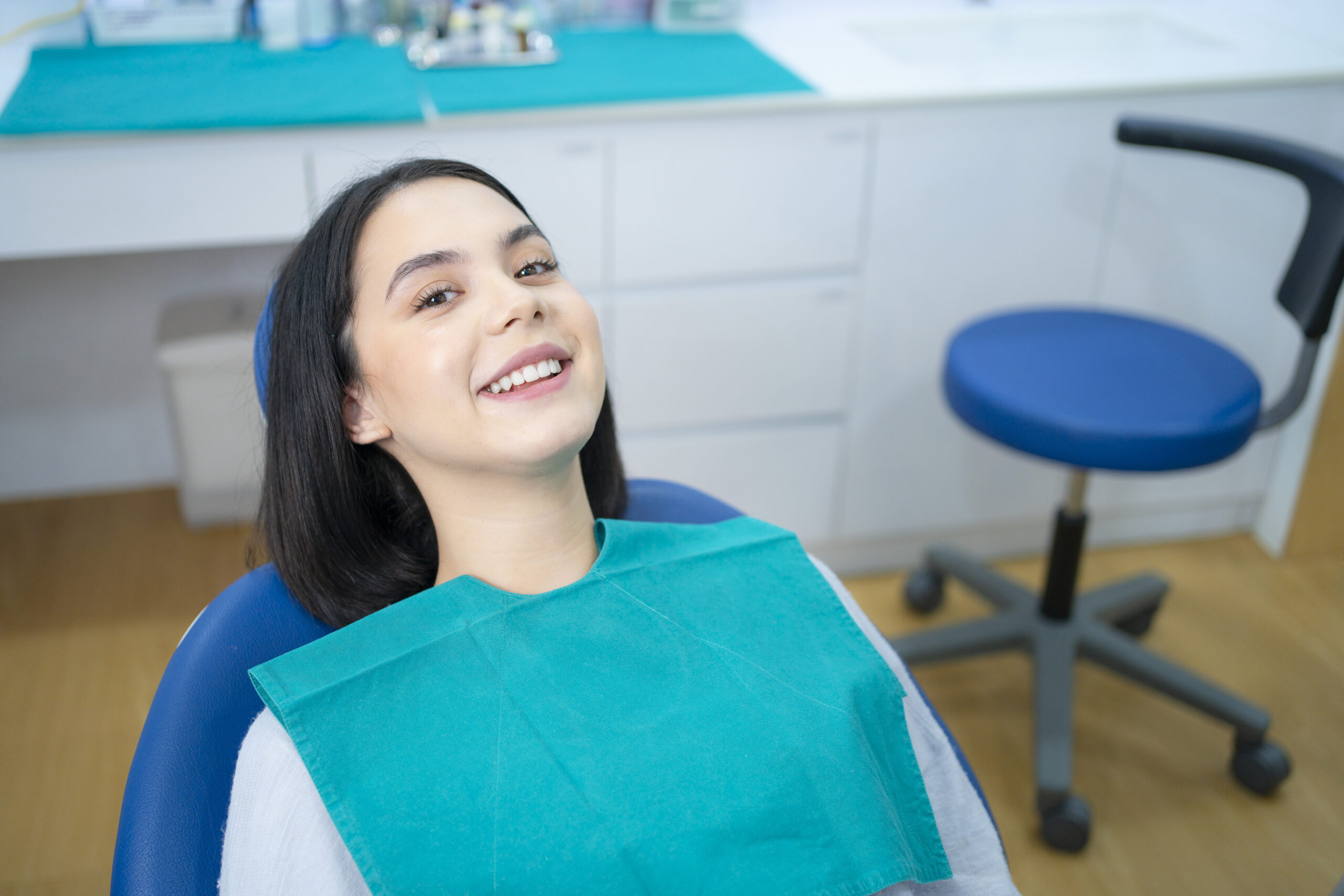
- Visit the dentist every six months
Dentists often share this rule because it keeps oral care straightforward and consistent. While every patient has unique needs, these three habits form the foundation of preventive dentistry.
When followed regularly, the rule helps reduce plaque buildup, supports gum health, and allows dental professionals to detect small issues before they become larger concerns.
Why Brushing Twice a Day Matters
Plaque is a thin film of bacteria that forms on teeth throughout the day. If it remains on the tooth surface for too long, it can contribute to cavities and gum inflammation.
Brushing in the morning and before bed helps manage this buildup.
Morning brushing is important because bacteria multiply overnight while the mouth produces less saliva during sleep. Removing this bacterial layer helps freshen breath and start the day with a cleaner mouth.
Nighttime brushing is equally important. Food particles and bacteria accumulate during meals and snacks throughout the day. Brushing before sleep helps remove this buildup before it sits on the teeth for several hours.
For families in Gilbert managing school mornings or evening sports practices, maintaining these two daily brushing times can make a meaningful difference in long-term oral health.
Why Two Minutes of Brushing Is Important
Many people are surprised to learn they brush for less than a minute. In reality, two minutes allows enough time to clean every surface of the teeth effectively.
Brushing too quickly can leave areas untouched, especially along the gumline or in the back of the mouth.
A helpful approach is to divide the mouth into four sections:
- Upper right
- Upper left
- Lower right
- Lower left
Spending about 30 seconds on each section ensures that all areas receive proper attention.
This technique is particularly useful for children learning good brushing habits. Parents can turn the two-minute routine into a simple timer activity, helping kids develop consistency without feeling rushed.
Why Visiting the Dentist Every Six Months Helps
Even with excellent brushing and flossing habits, professional dental visits remain an essential part of preventive care.
Regular dental appointments allow for:
- Professional cleanings that remove hardened plaque
- Early identification of cavities or enamel wear
- Monitoring gum health
- Screening for other oral health concerns
Many families in Gilbert schedule dental visits twice a year to align with school breaks or seasonal routines. This timing helps ensure that small concerns are identified early, when treatment is often simpler and more conservative.
Routine visits also provide an opportunity for patients to ask questions about brushing techniques, diet habits, and changes they may notice in their oral health.
How Dentists Help Patients Maintain Healthy Habits
Preventive dentistry is not only about professional cleanings. Dental teams also help patients build routines that support healthy teeth between visits.
During routine appointments, dentists often provide guidance such as:
- Personalized brushing and flossing recommendations
- Advice tailored to children’s dental development
- Monitoring bite changes or enamel wear over time
- Preventive strategies based on individual risk factors
These conversations are particularly valuable for families with growing children or adults who want to maintain healthy smiles for the long term. Small adjustments in daily habits can make a significant difference in preventing future dental problems.
A Simple Conversation About Your Dental Routine
The 2-2-2 rule offers a helpful starting point for maintaining healthy teeth and gums. However, each patient’s needs can vary based on factors like age, oral health history, and lifestyle habits.
If you have questions about daily brushing routines, preventive care for children, or maintaining oral health over time, you can schedule a visit with Island Dental to discuss your dental habits and receive personalized guidance.
A thoughtful conversation during a routine appointment can help ensure your oral care routine supports long-term dental health.
FAQs
What does the 2-2-2 rule mean in dental care?
The rule refers to brushing twice per day, brushing for two minutes each time, and visiting the dentist every six months. It is a simple guideline designed to help people maintain consistent oral hygiene habits.
Is brushing twice a day enough for healthy teeth?
Brushing twice daily is an important foundation for oral health. However, dentists also recommend flossing once per day and maintaining regular dental visits to support complete preventive care.
Why should brushing last two minutes?
Two minutes allows enough time to clean all surfaces of the teeth properly. Brushing too quickly can leave plaque behind, particularly along the gumline and between teeth.
Do children follow the same dental routine?
Yes, the same basic rule applies to children. Parents should supervise brushing for younger kids to ensure they brush for the full two minutes and clean all areas of the mouth.
What happens during a routine dental visit?
A typical visit includes a professional cleaning to remove plaque and tartar, an examination of the teeth and gums, and discussion of any changes in oral health or hygiene habits.


New Patients & Emergency Appointments Welcome!
