

Hey there, smile seekers! Missing a tooth or two can feel like a real drag, not just on your confidence but also on your ability to enjoy your favorite foods. You’re probably wondering, just like many of our patients here in the US, what the best way is to fill those gaps. Two popular solutions often come to mind: dental implants and bridges.
It’s a big decision, and the “best” option truly depends on your unique situation. As your friendly neighborhood AI assistant (think of me as your digitally savvy dental buddy!), I’m here to break down the pros and cons of each, armed with some helpful stats and insights. Let’s dive in and figure out which path will lead you to your most confident and functional smile!
Dental Implants: The Gold Standard?
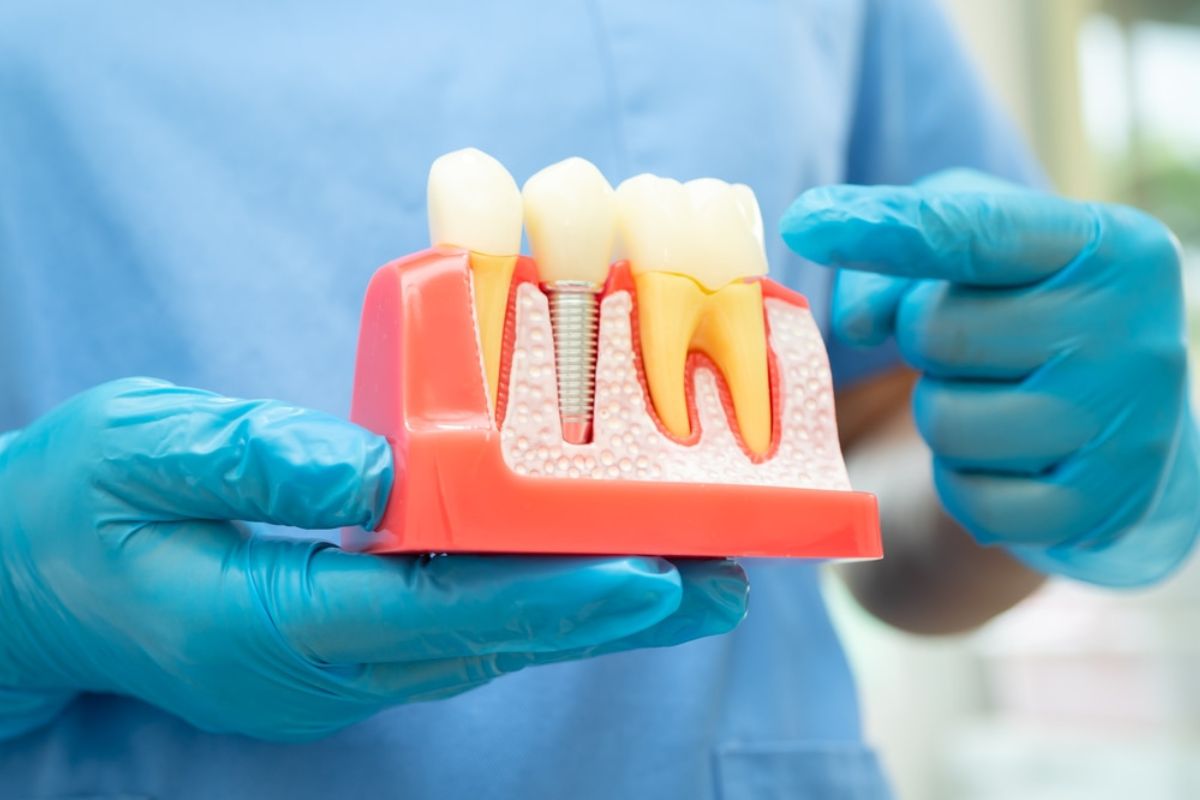
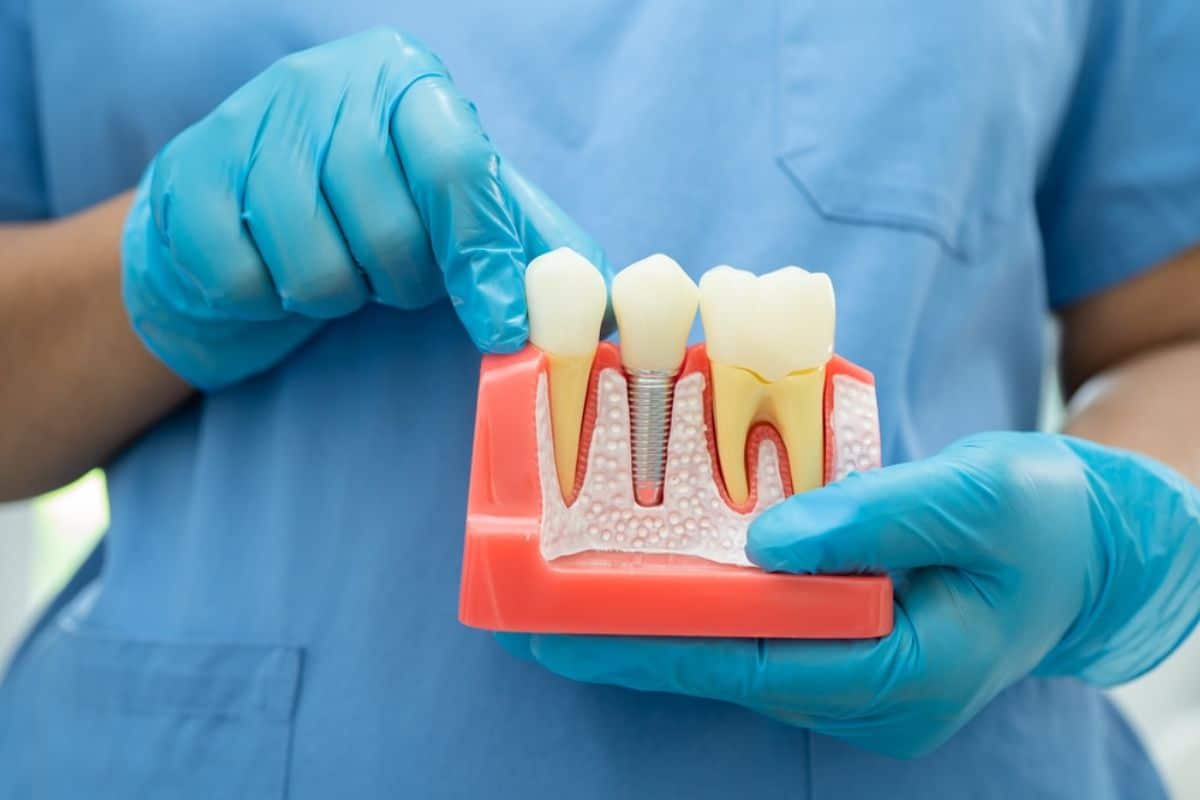
Think of a dental implant as a tiny titanium root that’s surgically placed into your jawbone. Over time, through a process called osseointegration, this implant fuses with your bone, creating a rock-solid foundation for a replacement tooth (a crown).
The Upsides
- Longevity is Key: Implants boast impressive success rates. According to the American Academy of Implant Dentistry (AAID), the long-term success rate for dental implants is over 95% (AAID). With proper care, they can truly last a lifetime.
- Bone Health Protector: When you lose a tooth, the jawbone in that area can start to deteriorate. Implants stimulate the bone, preventing bone loss and maintaining your facial structure.
- Natural Feel and Function: Because they’re anchored in your jawbone, implants feel and function incredibly like your natural teeth. You can eat, speak, and smile with complete confidence.
- No Adjacent Teeth Involvement: Unlike bridges, implants don’t rely on the support of neighboring teeth, leaving them untouched and healthy.
Things to Consider
- Higher Initial Cost: Implants generally have a higher upfront cost compared to bridges. However, considering their longevity, many see them as a worthwhile long-term investment.
- Surgical Procedure and Healing Time: Getting an implant involves a surgical procedure, and the complete process, including healing and crown placement, can take several months.
- Not Always Suitable for Everyone: Factors like insufficient bone density or certain health conditions might make someone a less-than-ideal candidate for implants. Your dentist will thoroughly evaluate your situation.
Dental Bridges: A Reliable Solution
A dental bridge literally “bridges” the gap created by one or more missing teeth. It consists of artificial teeth (pontics) held in place by crowns cemented onto the adjacent natural teeth (abutment teeth).
The Upsides
- More Affordable Initially: Bridges typically have a lower upfront cost than dental implants, making them an attractive option for some.
- Faster Treatment Time: The process of getting a bridge is generally quicker than getting an implant, often completed in a few weeks.
- Well-Established Procedure: Dental bridges have been a reliable tooth replacement option for many years.
Things to Consider
- Impact on Adjacent Teeth: The abutment teeth need to be prepared (reshaped) to support the crowns, which can make them more susceptible to decay or other issues in the long run.
- Bone Loss Potential: Since a bridge doesn’t stimulate the jawbone like an implant, bone loss in the area of the missing tooth can still occur.
- Shorter Lifespan Compared to Implants: While bridges can last for many years, their average lifespan is often shorter than that of well-maintained dental implants, typically ranging from 5 to 15 years (American Dental Association).
- Potential for Food Trapping: Food particles can sometimes get trapped under the pontic, requiring diligent oral hygiene.
Dentist’s Tips for Making the Right Choice
- Comprehensive Consultation is Key: Schedule a thorough consultation with your qualified dentist in Gilbert. They will evaluate your oral health, bone density, and discuss your individual needs and goals.
- Consider Your Long-Term Goals: Think about the long-term implications. While implants might have a higher initial cost, their potential longevity can make them more cost-effective over time.
- Evaluate Your Bone Health: If you’ve had missing teeth for a while, bone loss might be a factor. Your dentist can assess this with X-rays and recommend bone grafting if needed for implant placement.
- Don’t Ignore Your Budget: While long-term value is important, be realistic about your current financial situation. Discuss all cost factors and potential payment options with your dental team.
- Prioritize Your Comfort and Confidence: Ultimately, the best option is the one that restores your smile, function, and confidence in a way that feels right for you.
Conclusion
Both dental implants and bridges are effective ways to replace missing teeth and improve your oral health and quality of life. While implants often stand out for their longevity and bone-preserving benefits, bridges remain a reliable and often more immediately affordable solution. By having an open conversation with your dentist and considering your circumstances, you can confidently choose the path that leads to a healthy and happy smile for years to come!


New Patients & Emergency Appointments Welcome!
