

Keeping your mouth healthy is crucial for your general health as well as for having a beautiful smile. Cavities, also known as dental caries or tooth decay, are one of the most common dental issues affecting people of all ages. Ignoring the signs and symptoms of cavities can lead to serious dental problems and discomfort. Therefore, it’s crucial to be aware of these signs and seek timely intervention, including visiting a dentist in Gilbert, to prevent further damage.
What are Cavities?
Cavities are portions of your teeth’s hard surface that are permanently damaged and grow into tiny holes or apertures. They occur when bacteria in your mouth produce acids that erode the enamel, the outer layer of your teeth. Cavities can cause discomfort, infection, and even tooth loss if they are not addressed. They can also spread farther into the tooth.
Signs and Symptoms
- Tooth Sensitivity: Sensitivity to hot, cold, or sweet foods and drinks can be an early indication of cavities. When the enamel wears down due to decay, the underlying dentin becomes more exposed, leading to sensitivity.
- Toothache or Pain: Persistent toothache, especially while chewing or biting down, can be a sign of an advanced cavity. The pain may vary from mild to sharp and can indicate that the decay has reached the inner layers of the tooth where the nerves are located.
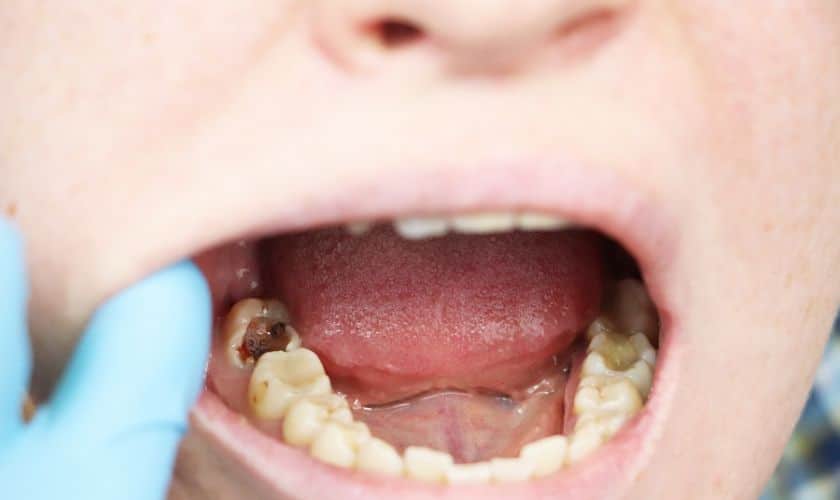
- Visible Holes or Pits: If you notice any visible holes, pits, or dark spots on the surface of your teeth, it’s likely that you have cavities. These are areas where the enamel has been weakened and eroded by acid attack, leading to the formation of cavities.
- Bad Breath: Persistent bad breath or a foul taste in your mouth, even after brushing and flossing, can be a sign of cavities. Bacteria thrive in the decaying tooth structure and release foul-smelling gases, contributing to bad breath.
- White Spots on Teeth: White spots on the surface of your teeth, known as dental fluorosis, can indicate the early stages of cavity formation. These spots are areas where minerals have been lost due to acid exposure, weakening the enamel.
- Pus around the Tooth: In advanced stages of tooth decay, you may notice pus or drainage around the affected tooth. This indicates an infection in the tooth or surrounding gum tissue, which requires immediate dental attention.
Prevention and Treatment
Preventing cavities starts with good oral hygiene practices, including brushing your teeth twice a day with fluoride toothpaste, flossing daily, and limiting sugary and acidic foods and drinks. Regular dental check-ups and cleanings are also essential for early detection and treatment of cavities.
If you experience any of the signs and symptoms mentioned above, it’s important not to ignore them. Schedule an appointment with a dentist in Gilbert for a comprehensive dental examination and appropriate treatment. Depending on the severity of the cavity, treatment options may include dental fillings, crowns, root canal therapy, or even tooth extraction in severe cases.
Ignoring cavities can lead to more extensive dental procedures and complications down the road, so early intervention is key to preserving your oral health. By being proactive and seeking prompt dental care, you can prevent cavities from causing further damage and maintain a healthy, beautiful smile for years to come.
In conclusion, cavities are a common dental problem that should not be ignored. Knowing the signs and symptoms of cavities and seeking timely intervention from a qualified dentist in Gilbert is crucial for preventing further damage and preserving your oral health. Remember, prevention is always better than cure when it comes to dental issues, so prioritize regular dental check-ups and good oral hygiene practices to keep cavities at bay.



New Patients & Emergency Appointments Welcome!
