

Hey there! Ever found yourself wondering about the best way to replace missing teeth? You’re not alone. According to the American College of Prosthodontists, over 36 million Americans are missing all of their upper or lower teeth, and a staggering 120 million are missing at least one tooth. That’s a lot of folks looking for solutions! So, let’s dive into two popular options: dental implants and dentures. Which one is right for you? Let’s explore the ins and outs, backed by some solid stats.
Understanding the Basics
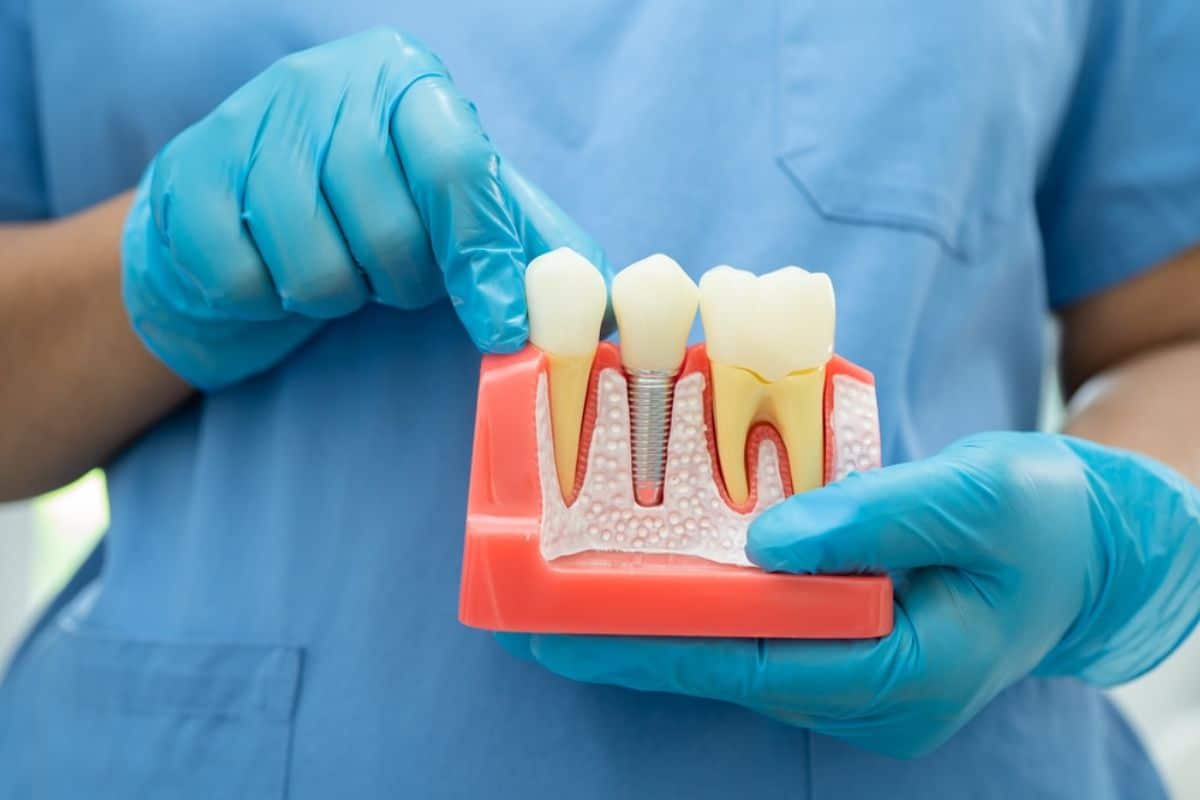
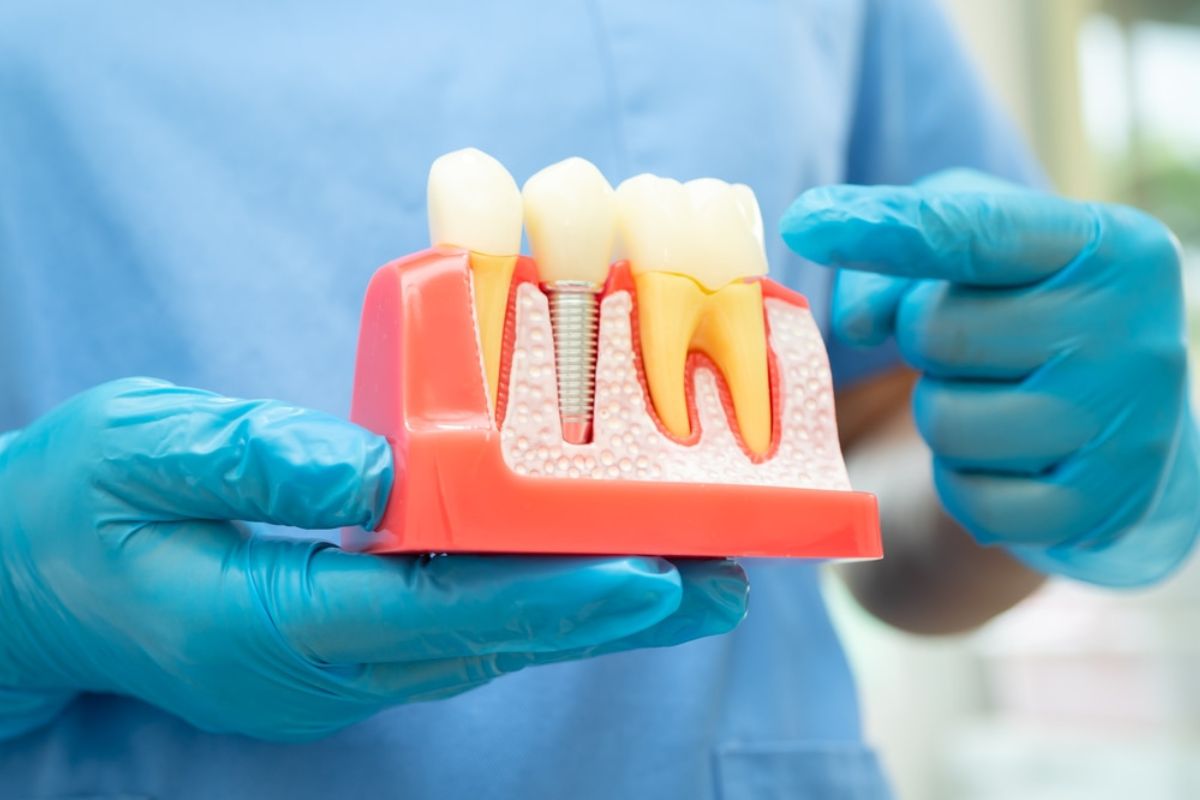
First, a quick overview. Dentures are removable replacements for missing teeth and surrounding tissues. They’re typically made of acrylic resin and can be either full or partial. Dental implants, on the other hand, are titanium posts surgically placed into your jawbone, acting as artificial tooth roots. A crown, bridge, or denture can then be attached to the implant.
Durability and Longevity
One of the most significant differences lies in longevity. Dental implants are designed to be a permanent solution. Studies show that dental implants have a success rate of around 95% after 10 years. When properly cared for, they can last a lifetime.
Dentures, while initially more affordable, typically need to be replaced every 5-10 years due to wear and tear and changes in your jawbone. This means that while the upfront cost of dentures is lower, the long-term cost of implants will even out, and may even be lower.
Functionality and Comfort
Think about your favorite foods. Can you imagine biting into a crisp apple or a juicy steak with confidence? Dental implants offer near-natural chewing ability, restoring up to 90% of your original biting force. Dentures, on average, restore only about 25% of your original chewing force. This can significantly impact your diet and overall quality of life.
Comfort is another key factor. Dentures can sometimes slip or irritate, especially during the initial adjustment period. Implants, because they are anchored in the jawbone, feel and function like natural teeth, providing greater stability and comfort.
Bone Health
Here’s a crucial point often overlooked: bone health. When you lose a tooth, the jawbone in that area begins to deteriorate. Dental implants stimulate the jawbone, preventing bone loss and maintaining facial structure. Dentures, however, do not provide this stimulation, leading to gradual bone resorption. Over time, this can result in a sunken facial appearance.
Budget Considerations
Let’s address the elephant in the room: cost. Dental implants are generally more expensive upfront, including the implant, abutment, and crown.
Dentures, on the other hand, cost depending on the type and materials used.
However, consider the long-term perspective. The need for frequent denture replacements, adhesives, and potential bone grafting procedures can add up over time. Many dental insurance plans offer partial coverage for implants, and financing options are increasingly available.
Who’s the Ideal Candidate?
So, which option is right for you?
- Implants: Ideal for individuals with sufficient jawbone density, good overall health, and a desire for a long-term, natural-feeling solution.
- Dentures: A suitable option for those with significant bone loss, certain medical conditions that preclude surgery, or budget constraints.
Making the Decision
Ultimately, the best way to determine which option is right for you is to consult with a qualified dentist in Gilbert. They can assess your individual needs, discuss your options, and help you make an informed decision. Don’t hesitate to ask questions and explore all possibilities.
Remember, restoring your smile is an investment in your health and well-being. Take the time to weigh your options carefully, and choose the solution that best fits your lifestyle and needs.


New Patients & Emergency Appointments Welcome!
