

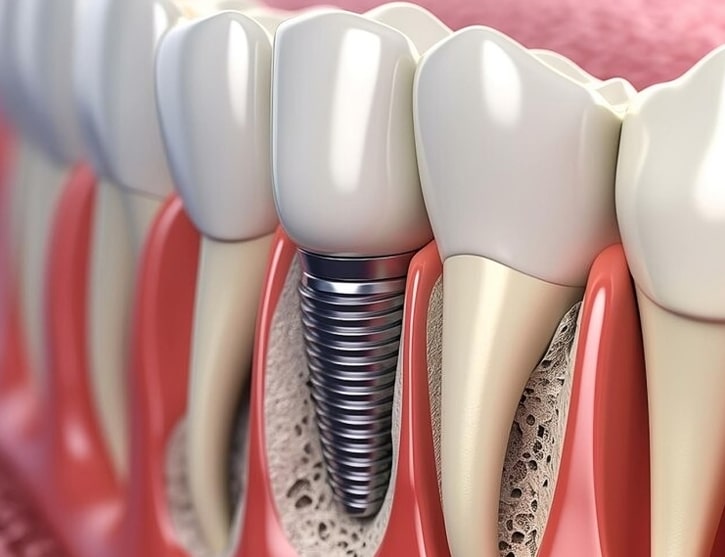
Ever wonder how dental implants have come so far? It’s not just about the dentist’s skill anymore. Technology has revolutionized how we plan, place, and restore dental implants. Let’s dive into the fascinating world of dental implants and explore how technology has made them more precise, comfortable, and successful.
The Digital Revolution in Dentistry
Gone are the days of plaster models and hand-drawn treatment plans. Today, dental practices are equipped with advanced digital technologies that streamline the entire implant process.
- 3D Imaging: Cone beam computed tomography (CBCT) scans provide detailed 3D images of your jawbone and surrounding structures. This allows dentists to accurately assess bone density, nerve pathways, and potential complications before surgery.
- CAD/CAM Technology: Computer-aided design (CAD) and computer-aided manufacturing (CAM) software create custom-made implant components, ensuring a precise fit and minimizing the risk of complications.
- Guided Implant Surgery: This technique uses a surgical guide created from a 3D scan to position the implant in the jawbone precisely. This reduces the need for invasive surgery and minimizes tissue damage.
The Benefits of Technology in Dental Implants
These technological advancements offer numerous benefits for both patients and dentists:
- Increased Accuracy: Digital planning and guided surgery ensure that implants are placed in the optimal position for stability and function.
- Reduced Trauma: Minimally invasive techniques and precise surgical planning result in less patient pain and discomfort.
- Faster Healing: Advanced implant materials and surgical techniques promote faster healing and a shorter recovery time.
- Improved Aesthetics: Custom-made implant restorations can blend seamlessly with your natural teeth, restoring your smile’s beauty and function.
Case Study: A Patient’s Experience
Let’s consider the case of Sarah, a patient who recently received dental implants. With the help of advanced technology, Sarah’s implant procedure was:
- Precise: A CBCT scan allowed her dentist to assess her bone density accurately and plan the ideal implant placement.
- Minimally Invasive: Guided implant surgery reduced the need for extensive tissue cutting and ensured a faster healing time.
- Esthetically Pleasing: Custom-made crowns and bridges perfectly matched the color and shape of her natural teeth, restoring her confidence.
The Future of Dental Implants
As technology continues to evolve, we can expect even more exciting advancements in dental implants. Some emerging trends include:
- Artificial Intelligence: AI-powered software can analyze patient data to predict treatment outcomes and identify potential risks.
- 3D Printing: Advances in 3D printing technology enable creating customized implant components and surgical guides.
- Stem Cell Therapy: Research is exploring the use of stem cells to promote bone regeneration and improve implant success rates.
In conclusion, technology has played a pivotal role in transforming the field of dental implants. By offering increased accuracy, reduced trauma, and improved aesthetics, these advancements have made dental implants a more accessible and effective solution for individuals with missing teeth. As technology continues to advance, we can look forward to even more innovative approaches to dental implant treatment.

New Patients & Emergency Appointments Welcome!
