


If you are dealing with a damaged, cracked, or decayed tooth, choosing the right treatment can feel confusing. Many patients wonder whether a simple filling can restore their tooth or if a stronger restoration is needed. At Island Dental – Dentist Gilbert, AZ, Dr. B. Patel helps patients understand their options and choose the right approach based on the condition of their teeth.
When searching for dental crowns near me, many local patients are looking for answers about when a crown is necessary and how it differs from a filling. The right treatment depends on factors such as the size of the cavity, the amount of remaining tooth structure, the extent of damage, and overall oral health.
A dental evaluation can identify the extent of the problem and help prevent further damage before it affects your smile or daily comfort.
What Is a Dental Filling?
A dental filling is a restorative treatment used to repair teeth affected by minor to moderate cavities. During the procedure, the damaged portion of the tooth is removed, and the space is filled with a restorative material such as tooth-colored composite resin.
Fillings are commonly recommended when:
- The cavity is small or moderate in size
- The tooth structure is still strong
- The damage has not affected a large portion of the tooth
- The tooth does not require additional protection
A filling restores the shape and function of the tooth while preventing decay from spreading further. However, fillings may not provide enough support when a tooth has lost a significant amount of structure.
What Are Dental Crowns?
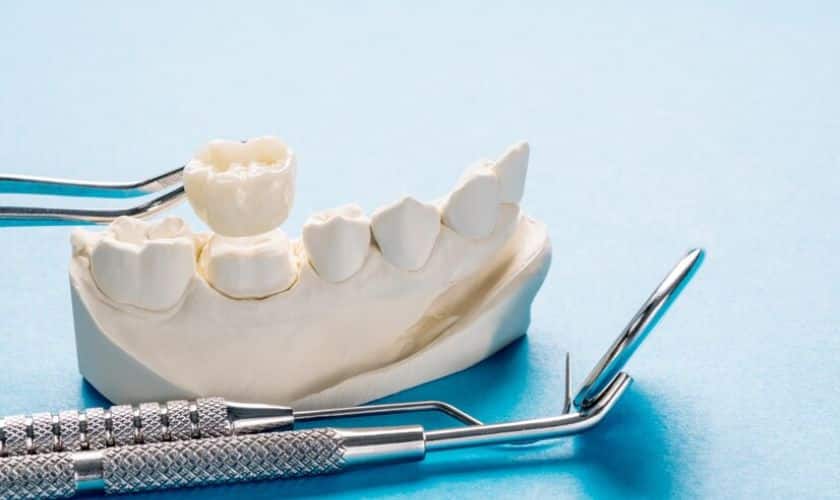
A dental crown is a restoration that covers the entire visible portion of a damaged tooth. It helps protect and strengthen teeth that may not be strong enough to support a filling.
Dental crowns are often recommended when:
- A large cavity has weakened the tooth
- A tooth has cracks or fractures
- A previous filling has become too large
- A tooth has undergone root canal treatment
- The remaining tooth structure needs additional protection
Unlike fillings that repair a small area, crowns provide full coverage around the tooth. This makes them a suitable option when preventing further damage is a priority.
Dental Crown vs Filling: Key Differences
Understanding the difference between these treatments can help you know what to expect during your dental visit.
Tooth Damage Level
The biggest difference is the amount of damage present.
A filling is usually recommended for smaller cavities where enough healthy tooth structure remains.
A crown may be recommended when decay, cracks, or previous restorations have weakened a large part of the tooth.
Protection and Strength
Fillings restore missing areas but do not cover the entire tooth.
A crown surrounds the tooth and provides additional protection against pressure from chewing. This is especially important for back teeth, which handle greater biting forces.
Treatment Process
A filling can usually be completed in one dental visit. The dentist removes decay, cleans the area, and restores the tooth.
The crown process generally involves preparing the tooth, taking measurements, and placing a temporary restoration before the final crown is placed.
How Does a Dentist Decide Between a Crown and Filling?
Your dentist considers several factors before recommending treatment. These include:
Size of the Cavity
Small cavities may only need a filling. Larger cavities that remove a significant amount of tooth structure may require a crown for protection.
Remaining Tooth Structure
If the tooth walls are weak or there is insufficient support for a filling, a crown may provide greater stability.
Tooth Location
Molars experience strong chewing pressure. A damaged molar may require more reinforcement than a front tooth.
Existing Dental Work
Teeth with large fillings may become weaker over time. Replacing the restoration with a crown may help protect the remaining tooth.
Signs You May Need a Dental Crown Instead of a Filling
Some symptoms may indicate that your tooth needs more than a filling, including:
- Pain while chewing
- A cracked or broken tooth
- A large cavity
- Sensitivity that continues after treating decay
- A filling that keeps breaking or failing
- A tooth with significant structural damage
Ignoring these signs may allow the damage to progress and lead to more complex dental concerns.
Why Treating Tooth Damage Early Matters
A damaged tooth does not always improve on its own. When decay or cracks continue to progress, they can affect deeper areas of the tooth.
Early treatment can help:
- Preserve natural tooth structure
- Reduce the risk of infection
- Improve chewing comfort
- Protect your long-term oral health
Many patients delay treatment because they are unsure whether they need a filling or crown. A dental examination provides clear answers based on your specific situation.
If you are comparing treatment options and want professional guidance, visit our dental office for a complete evaluation and personalized recommendation.
What Makes Dental Crowns a Reliable Option for Damaged Teeth?
For teeth with major damage, dental crowns can help restore appearance, function, and protection. They are designed to fit over the prepared tooth and provide a strong covering that supports daily activities such as chewing and speaking.
Patients seeking information about restoration options often search for “dentist near me” when they notice tooth damage, discomfort, or changes in their smile. A consultation can help determine whether a crown is the right choice or whether another treatment may work better.
How to Maintain Your Tooth After Treatment
Whether you receive a filling or crown, proper care helps maintain your restoration.
Follow these habits:
- Brush twice daily with fluoride toothpaste
- Floss regularly to remove plaque between teeth
- Avoid chewing extremely hard foods
- Schedule routine dental checkups
- Address sensitivity or discomfort early
Maintaining healthy habits can help protect your restored tooth and support your overall oral health.
Restore Your Damaged Tooth With Trusted Dental Care in Gilbert
Choosing between a filling and a crown depends on your tooth’s condition, not just the size of the cavity. A proper evaluation can help determine the right treatment to protect your tooth and support your long-term oral health.
If you have a damaged tooth, missing tooth structure, or signs that an existing restoration needs attention, schedule a consultation with our dental team in Gilbert. Call us today at +1 (480) 744-4622 to book an appointment, explore your dental crown options, and get the care your smile needs.
Frequently Asked Questions
Can a filling replace a dental crown?
A filling may work for small areas of decay, but it may not provide enough support for a severely damaged tooth. A dentist evaluates the remaining tooth structure before recommending the appropriate restoration.
How do I know if I need a crown or filling?
The choice depends on the size of the cavity, the tooth’s strength, and the extent of damage. A dental examination and X-rays can help determine which option will provide proper protection.
Are crowns only used for damaged teeth?
Crowns are commonly used for damaged or weakened teeth, including teeth with large fillings, cracks, or previous procedures that require additional support.
Can a damaged tooth get worse without treatment?
Yes. Untreated decay or cracks can continue spreading and may affect deeper areas of the tooth. Early dental care can help prevent more serious problems.
How long does a dental crown procedure take?
The process depends on the type of crown and your individual needs. Many cases require tooth preparation, followed by placement of the final restoration once it is fabricated.
Is a crown stronger than a filling?
A crown provides full coverage around a tooth, making it useful for teeth that need additional protection. A filling restores smaller areas where enough natural tooth structure remains.

New Patients & Emergency Appointments Welcome!
