

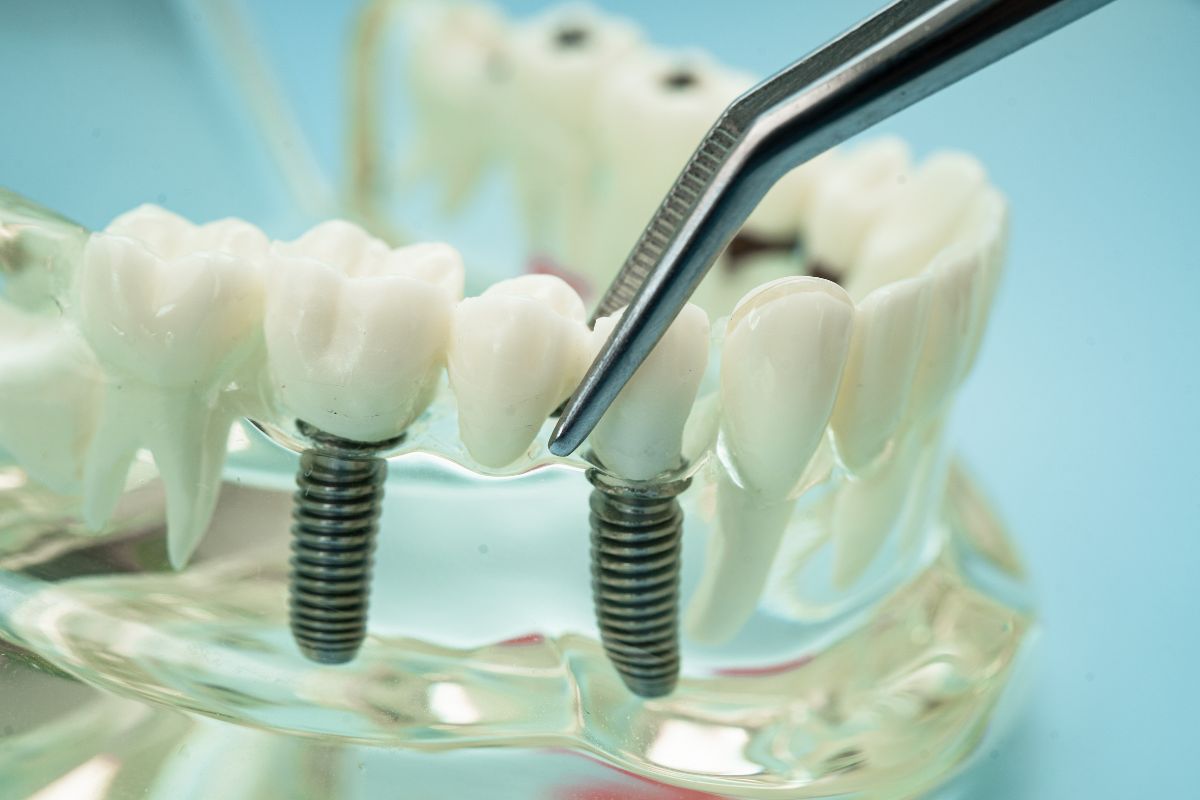
Dental implant surgery is a significant step toward restoring your smile, and caring for your new implants is crucial to ensure long-term success. Among the many questions patients ask during recovery, one of the most common is, “When can I rinse my mouth after dental implant surgery?” Proper aftercare, including knowing when and how to rinse, plays a pivotal role in avoiding complications and ensuring optimal healing.
This guide will explore when it’s safe to rinse after dental implant surgery, provide evidence-backed tips for proper oral hygiene during recovery, and explain the importance of following your dentist’s instructions. Ready to dive in and learn how to care for your investment in your oral health? Let’s get started.
Why Rinsing Timing Matters After Dental Implant Surgery?
Dental implants have a high success rate of 95% to 98% when patients adhere to proper aftercare protocols. The healing process, known as osseointegration, begins shortly after the implant is placed. This process involves your jawbone fusing with the implant, creating a sturdy foundation. Disrupting the surgical site too early can interfere with this process and increase the risk of complications, such as infection or implant failure.
For patients receiving dental implants, it is essential to follow post-operative instructions closely to ensure optimal healing. Rinsing your mouth too soon can dislodge the blood clot forming over the surgical site. This clot is essential for healing, and losing it prematurely can lead to a painful condition known as a dry socket.
When Is It Safe to Rinse?
The First 24 Hours
Immediately after your dental implant surgery, allowing the surgical site to begin the healing process undisturbed is crucial. During the first 24 hours:
- Avoid Rinsing: Do not rinse your mouth at all. This will help form a stable blood clot around the implant, which is essential for the healing process.
- No Spitting or Sucking: Avoid activities that create suction in your mouth, such as spitting, using straws, or smoking. Suction can dislodge the blood clot, leading to complications.
Days 1 to 3: Gentle Care
After the first 24 hours, you can begin introducing gentle rinsing to keep your mouth clean and reduce the risk of infection. Here’s how to do it safely:
- Salt Water Rinse: Start with a mild saltwater rinse. Mix 1/2 teaspoon of salt in a glass of warm water. Gently swish the solution in your mouth for 30 seconds, careful not to spit forcefully. Do this 2-3 times a day, especially after meals.
- Avoid Commercial Mouthwashes: Refrain from using commercial mouthwashes during the initial healing period. Many of these products contain alcohol or other ingredients that can irritate the surgical site.
Days 4 to 7: Increasing Frequency
As you progress into the second half of the first week post-surgery, you can increase the frequency of your rinsing routine:
- Continue Salt Water Rinses: Use the salt water rinse 3-4 times daily.
- Add Antibacterial Rinses (If Advised): If your dentist recommends an antibacterial mouthwash, such as chlorhexidine, follow the directions for use. This can help reduce bacterial load and promote healing.
Week 2 and Beyond: Establishing Routine
By the second week, the initial healing phase is typically well underway, and you can gradually return to a more regular oral hygiene routine:
- Regular Brushing and Flossing: Begin gently brushing your teeth with a soft-bristled toothbrush, including the area around the implant. Be cautious around the surgical site to avoid irritation. Flossing can also be resumed, but avoid the immediate implant area if it’s still sensitive.
- Mouthwash Use: You can now incorporate non-alcoholic, dentist-approved mouthwashes into your routine. Avoid harsh or abrasive rinses that could irritate your skin.
The Role of Rinsing in Recovery
Reducing Bacteria and Infection Risk
Rinsing helps remove food particles and bacteria from your mouth, reducing the risk of infection. According to the American Dental Association, maintaining oral hygiene after surgery significantly lowers the chance of post-surgical complications.
Promor Healing
A study published in the Journal of Clinical Periodontology found that using chlorhexidine mouthwash after dental implant surgery can enhance healing outcomes and reduce plaque accumulation around the surgical site. Saltwater rinses also remineralize and soothe irritated tissues.
Enhancing Comfort
Rinsing with a warm saltwater solution can help alleviate discomfort by reducing swelling and cleaning the surrounding area of the implant.
Common Mistakes to Avoid
While rinsing is essential, overdoing it can be counterproductive. Here are some common pitfalls to steer clear of:
- Rinsing Too Soon: Always wait at least 24 hours before rinsing.
- Using Harsh Solutions: Stick to dentist-approved rinses, such as saltwater or antiseptic mouthwash. Avoid using hydrogen peroxide unless it is prescribed, as it can irritate tissues.
- Forceful Spitting or Gargling: These actions can disturb the surgical site and hinder healing.
- Skipping Rinses Entirely: Failing to rinse properly can lead to plaque accumulation and infection.
Long-Term Care Tips
Maintaining good oral hygiene is essential for the long-term success of your dental implant. Here are some tips to ensure your implant stays healthy:
- Regular Dental Check-Ups: Schedule regular check-ups with your dentist to monitor the health of your implants and the surrounding tissues.
- Healthy Diet: Eat a balanced diet to support overall oral health. Avoid hard or sticky foods that could damage the implant.
- Avoid Smoking: Smoking can impede healing and increase the risk of implant failure. If you smoke, consider quitting to improve the longevity of your implant.
Heal With Confidence – Contact Island Dental for Expert Post-Implant Care
Rinsing your mouth properly after dental implant surgery plays a crucial role in facilitating your body’s healing process. Gentle saltwater rinses after the first 24 hours, combined with gradually returning to your regular brushing routine, can help keep the area clean and prevent irritation. Always follow the instructions provided by your dentist, and don’t hesitate to reach out if you notice anything unusual during recovery. With the proper care, your implant can heal successfully and function like a natural tooth for years to come.
If you ever have questions or need guidance during the healing process, contact Island Dental—we’re here to support your recovery every step of the way.


New Patients & Emergency Appointments Welcome!
