

Losing a tooth can already feel overwhelming. Add gum problems into the mix, and it’s normal to wonder if restoring your smile is even possible. Many people assume that gum disease automatically disqualifies them from getting dental implants, but that’s not always the case.
The truth is, gum health plays a major role in whether dental implants can work long-term. Understanding how the two are connected can help you make informed decisions and avoid unnecessary complications down the road.
What Gum Disease Really Means for Your Oral Health?
Gum disease is an infection of the tissues that support your teeth. It often starts quietly, with symptoms like bleeding gums, tenderness, or bad breath that don’t go away. In its early stage, known as gingivitis, the damage is usually reversible with proper care.
When left untreated, gum disease can progress into a more serious stage where it begins affecting the bone that holds your teeth in place. This is where missing teeth, loose teeth, and long-term oral health problems often begin.
Why Healthy Gums Matter for Dental Implants?
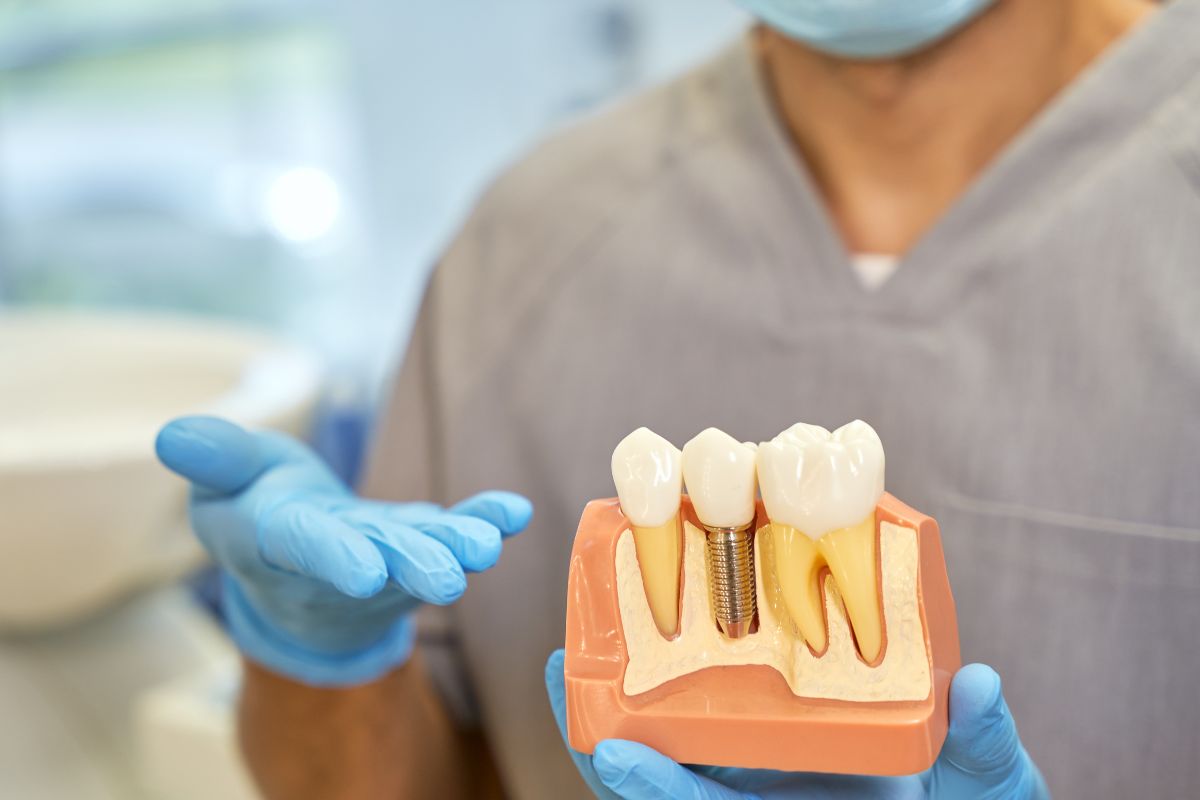
Dental implants are designed to act like natural tooth roots. They rely on strong bone and healthy gum tissue to stay secure. If gum disease is present, the surrounding tissue may not be able to support the implant properly.
An untreated infection can interfere with healing and increase the risk of implant failure. That’s why dentists always evaluate gum health before recommending dental implants as a tooth replacement option.
Can You Still Get Dental Implants If You Have Gum Disease?
In many cases, yes—but not immediately.
If gum disease is active, it usually needs to be treated first. This helps create a stable, healthy foundation before moving forward. Once the infection is under control and the gums have healed, dental implants may become a safe and reliable option.
Every mouth is different, which is why a personalized evaluation is so important.
Treating Gum Disease Before Moving Forward
Treatment depends on how advanced the gum disease is. Early stages may improve with professional cleanings and better daily oral care. More advanced cases may require deeper cleaning procedures to remove bacteria below the gumline.
The goal is to eliminate infection and allow the gums and bone to heal. This step is essential for anyone considering dental implants as a long-term solution for missing teeth.
Unsure where your gum health stands? Contact us to schedule an evaluation and get clear answers before deciding on treatment.
When Dental Implants Become an Option?
Once your gums are healthy and stable, your dentist can reassess your readiness for dental implants. They’ll look at bone strength, healing progress, and overall oral health before creating a treatment plan.
For many patients, taking the time to treat gum disease first leads to better comfort, stronger results, and implants that last for years.
What Happens If Gum Disease Is Ignored?
Skipping gum treatment and moving forward too quickly can lead to problems. Infection may return, bone loss can continue, and implants may fail prematurely. Even natural teeth can become at risk.
Addressing gum disease early protects both your future smile and your overall oral health.
Get Your Smile Back on Track – Visit Island Dental
If you’re dealing with missing teeth and gum concerns, you don’t have to figure it out alone. At Island Dental, we help patients understand their options and take the right steps toward healthier gums and a confident smile. If you’re in or around Gilbert, AZ, we invite you to visit our dental office to learn whether dental implants could be right for you after addressing gum health



New Patients & Emergency Appointments Welcome!
