


Replacing a missing tooth is a major step toward restoring your smile, improving your ability to chew, and protecting your overall oral health. One of the most common questions patients ask before choosing this treatment is, “How long do dental implants last?”
For patients in Gilbert looking for a reliable tooth replacement option, Island Dental – Dentist Gilbert, AZ provides guidance and care focused on restoring healthy smiles. Dr. B. Patel helps patients understand how dental implants in Gilbert can support long-term oral function when combined with proper maintenance and healthy habits.
These restorations are designed to provide lasting support for missing teeth. The implant post placed into the jawbone can remain stable for many years, while the visible crown may need maintenance or replacement over time due to daily chewing forces. With proper dental hygiene, regular office visits, and having good lifestyle choices, many patients enjoy the benefits of implants for decades.
Understanding what affects implant longevity can help you protect your investment and maintain a comfortable, natural-looking smile.
What Is the Average Lifespan of Dental Implants?
These restorations are considered a long-term solution for replacing missing teeth. While every patient’s situation is different, many implants can last 20 years or longer with proper care.
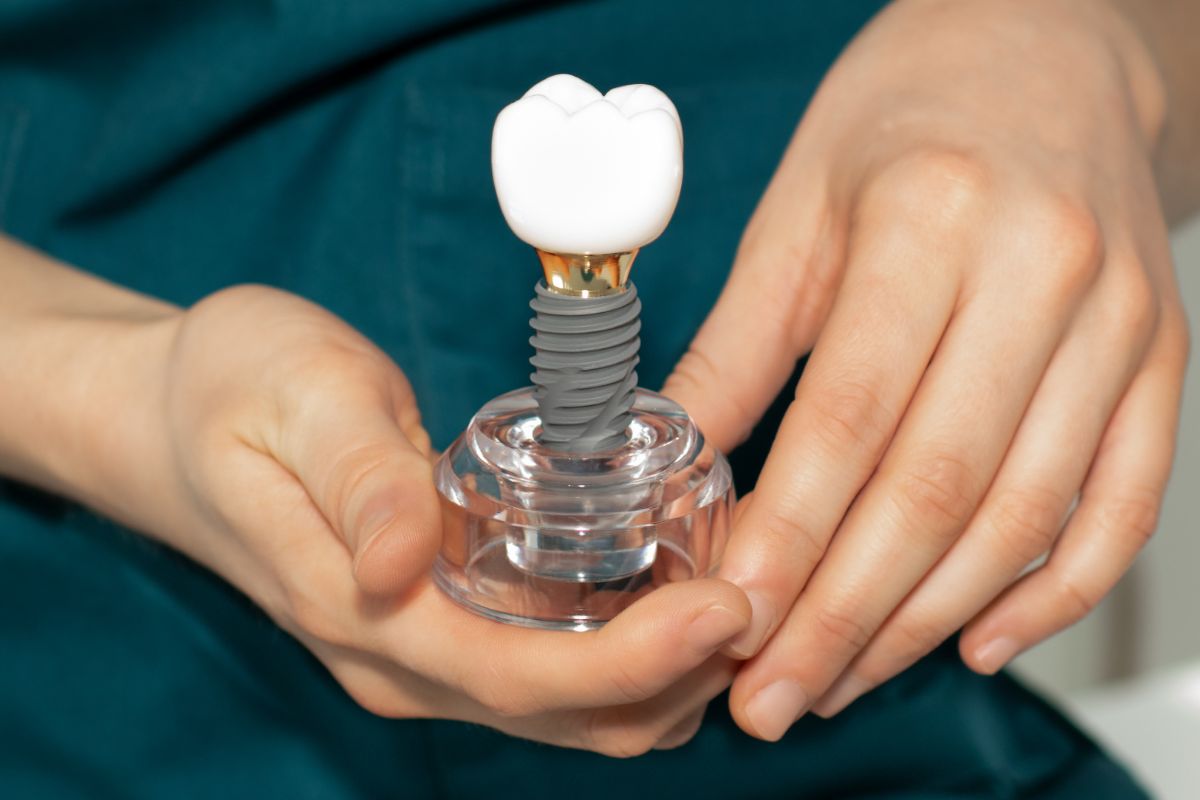
The implant restoration has three main components:
Implant Post
The implant post is carefully placed into the jawbone, where it functions like a natural tooth root, providing support and stability. As the healing process continues, the surrounding bone gradually fuses with the implant surface through osseointegration, forming a strong and secure base for the replacement tooth.
Abutment
The abutment connects the implant post to the dental crown. It helps secure the visible restoration while supporting proper function.
Dental Crown
The crown is the part that looks like a natural tooth. Since it handles daily chewing pressure, it may experience wear and require replacement before the implant post itself.
The lifespan of an titanium post depends on several factors, including oral health, maintenance habits, lifestyle choices, and professional care.
Factors That Affect Dental Implant Lifespan
1. Maintaining Proper Oral Hygiene
Daily oral care plays an important role in protecting the tissues around an implant. While implants cannot develop cavities, the gums and supporting bone still need regular attention.
Bacteria buildup around the implant area can contribute to gum inflammation and affect implant stability over time.
To maintain your implant health:
- Brush your teeth twice daily
- Clean between teeth using floss or recommended cleaning tools
- Schedule routine dental cleanings
- Follow recommended maintenance instructions
A consistent hygiene routine helps protect the foundation that supports your implant.

2. Gum Health and Jawbone Condition
Healthy gums and strong jawbone support are essential for long-term implant success. The implant needs a stable environment to remain secure and functional.
Before treatment, our implant dentist evaluates your oral health, gum condition, and available bone support. Some patients may need additional procedures to improve the treatment area before receiving such restorations.
After treatment, monitoring gum health and addressing any concerns early can help prevent problems that may affect implant stability.
3. Lifestyle Habits That Influence Implant Longevity
Daily habits can directly affect how long an implant lasts. Certain behaviors may place unnecessary stress on the implant or surrounding tissues.
Habits that may affect implant health include:
- Smoking or using tobacco products
- Chewing ice or hard objects
- Using teeth to open packages
- Skipping routine dental visits
Making healthier choices can help maintain both your implant and overall oral health.
4. Teeth Grinding and Excessive Bite Pressure
Some patients experience teeth grinding or jaw clenching, especially during sleep. This condition can place extra pressure on the implant restoration.
Over time, excessive force may contribute to:
- Crown damage
- Wear on the restoration
- Jaw discomfort
- Changes in bite balance
If you notice signs of grinding, your dental provider may recommend protective solutions to reduce pressure and protect your smile.
5. Professional Planning and Regular Dental Care
The quality of treatment planning and ongoing maintenance can influence implant longevity. A careful evaluation helps determine whether implants are suitable based on your oral condition and goals.
An implant dentist reviews factors such as:
- Jawbone health
- Gum condition
- Bite alignment
- Existing dental concerns
Patients searching for dental implants in Gilbert often want to understand how to maintain their results after treatment. Regular follow-up visits allow your dental team to check the implant, surrounding tissues, and the condition of the restoration.
If you have questions about implant care or want to understand your tooth replacement options, visit our dental office for a comprehensive evaluation and personalized guidance.
How to Care for Your Dental Implants After Treatment
After receiving an implant, long-term care becomes an important part of protecting your smile. A few simple habits can help maintain implant health.
Follow these steps:
- Maintain daily brushing and flossing
- Keep regular dental appointments
- Avoid habits that create excessive pressure on your teeth
- Follow your dental provider’s care recommendations
- Monitor any changes around the implant area
Preventive care allows potential concerns to be identified early and helps support long-lasting results.
Signs That Your Dental Implant May Need Attention
Although implants are designed for durability, some situations may require professional evaluation.
Contact your dental provider if you notice:
- Looseness around the implant
- Pain while chewing
- Swelling or irritation near the implant area
- Changes in your bite
- Damage to the crown
Addressing concerns early can help protect the implant and prevent more complex issues.
Can Tooth Implants Last a Lifetime?
Many patients wonder whether implants can last forever. While the implant post is designed for long-term use, its lifespan depends on several factors, including oral hygiene, bone health, lifestyle choices, and regular dental care.
Patients who maintain healthy habits and follow professional recommendations often experience long-lasting results. However, the crown or other components may require adjustments or replacement due to normal wear over time.
Finding the Right Support for Your Implant Journey
Choosing implants involves more than replacing a missing tooth. It requires proper planning, ongoing maintenance, and a commitment to protecting your oral health.
Our dentist in Gilbert can evaluate your dental needs, explain available options, and guide you through the implant process from consultation to long-term maintenance. With the right care approach, implants can help restore comfort, confidence, and daily function.
Maintain Your Smile With Long-Term Implant Care
Dental implants can provide a lasting solution for missing teeth when supported by proper hygiene, regular dental visits, and healthy lifestyle choices. Understanding the factors that affect implant lifespan helps you take the right steps to protect your smile.
Whether you are considering replacing a missing tooth or need guidance for maintaining an existing restoration, our Gilbert dental team is ready to help. Take the next step toward a stronger, healthier smile and book an appointment with our dental office in Gilbert today.
Frequently Asked Questions
How long do dental implants usually last?
These restorations can last many years and may continue functioning for decades with proper care. Their lifespan depends on factors such as oral hygiene, bone support, lifestyle habits, and regular dental maintenance.
Do dental implants require special cleaning?
Dental implants require regular oral hygiene similar to natural teeth. Brushing, flossing, and routine dental visits help protect the gums and tissues supporting the implant.
Can smoking affect dental implant lifespan?
Yes. Smoking can affect healing and increase the risk of gum problems around implants. Avoiding tobacco can help support better long-term implant health.
When should a dental implant be replaced?
The implant post may last for many years, but the crown or restoration may need to be replaced due to normal wear. A dental evaluation can determine when repair or replacement is needed.
Are dental implants permanent replacements for missing teeth?
They are considered a long-term replacement option for missing teeth. With proper care and regular maintenance, they can provide lasting function and support.
How can I make my dental implants last longer?
Maintaining good oral hygiene, attending regular dental checkups, avoiding harmful habits, and protecting your teeth from excessive pressure can help extend the lifespan of your implants.


New Patients & Emergency Appointments Welcome!
