

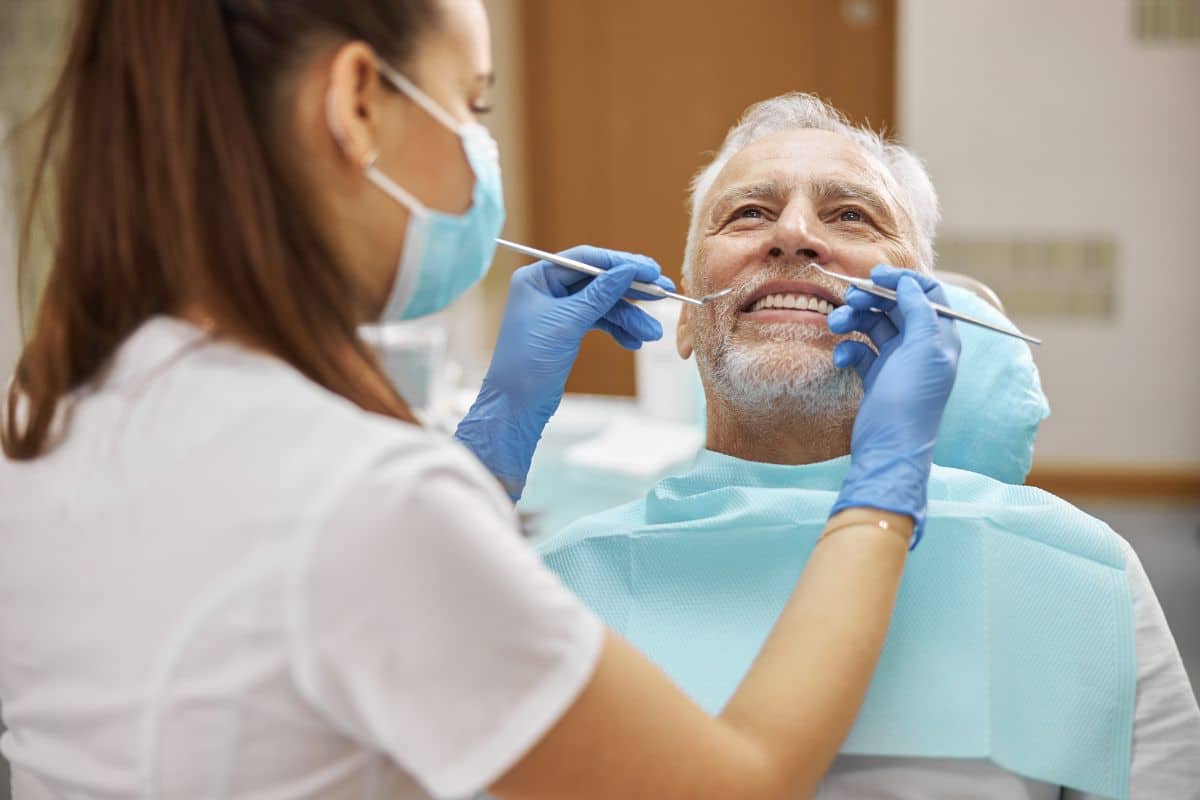
Implant surgery recovery is one of the most important stages of the dental implant process. While modern dental implants have an excellent long-term success rate, proper healing is essential to ensure the implant bonds securely with your jawbone. Even though many patients feel much better within a few days, the healing process continues beneath the surface for several months.
A few simple mistakes during recovery can delay healing, increase discomfort, or even affect the stability of the implant. Fortunately, most of these issues are completely preventable when you understand what to expect and carefully follow your post-operative instructions.
If you’re preparing for dental implant surgery or are currently recovering in Gilbert, AZ, knowing what to avoid can help protect your investment and improve your long-term oral health.
Why Implant Surgery Recovery Is So Important
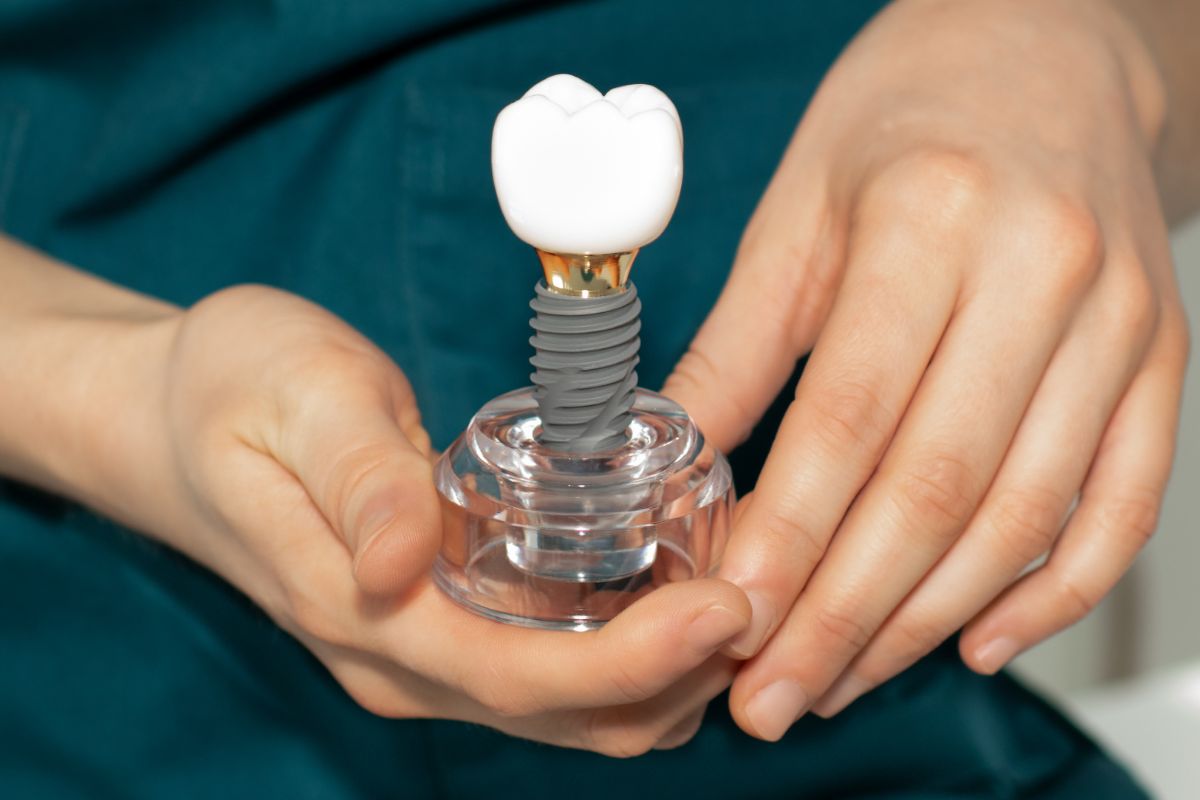
Dental implants are different from other tooth replacement options because they become part of your jaw through a natural process called osseointegration. During this process, the titanium implant gradually fuses with the surrounding bone, creating a secure foundation for your replacement tooth.
Healing doesn’t stop when you leave the dental office. Your body continues rebuilding bone and soft tissue for several weeks and, in many cases, several months.
Quick Answer
Most implant complications happen during healing—not during surgery. Following your recovery instructions gives the implant the best chance of integrating successfully and lasting for many years.
What to Expect During Implant Surgery Recovery
Every patient heals differently, but most people experience mild symptoms during the first few days after surgery.
These may include:
- Mild swelling
- Tenderness around the implant site
- Minor bleeding
- Temporary bruising
- Slight discomfort while chewing
These symptoms usually improve steadily during the first week. As healing progresses, discomfort decreases while the implant continues integrating with the jawbone beneath the gums.
Mistake #1: Eating Hard Foods Too Soon
One of the most common reasons for delayed implant surgery recovery is returning to hard foods before the implant site has healed.
Even if discomfort has improved, excessive pressure can interfere with early healing.
Avoid foods such as:
- Popcorn
- Chips
- Nuts
- Ice
- Hard candy
- Tough meats
- Crusty bread
Instead, choose foods that are gentle on the surgical site, including:
- Yogurt
- Cottage cheese
- Applesauce
- Oatmeal
- Mashed potatoes
- Smoothies
- Soft pasta
- Scrambled eggs
Eating softer foods during the early stages of recovery helps reduce unnecessary stress on the implant.

Mistake #2: Skipping Your Oral Hygiene Routine
Some patients mistakenly believe they should avoid brushing near the surgical area altogether.
While you’ll need to be gentle, keeping your mouth clean is one of the best ways to prevent infection.
Good oral hygiene includes:
- Using a soft-bristled toothbrush
- Cleaning surrounding teeth carefully
- Following any prescribed antimicrobial rinse instructions
- Avoiding aggressive brushing around the implant site
Healthy gums create a better environment for successful healing.
Mistake #3: Smoking or Using Tobacco
Smoking remains one of the biggest risk factors for implant failure.
Nicotine restricts blood flow, reducing the oxygen and nutrients your body needs to repair tissue after surgery.
Research has consistently shown that tobacco use increases the likelihood of:
- Infection
- Delayed healing
- Poor bone integration
- Gum complications
- Implant failure
Avoiding tobacco products before and after surgery gives your implant a much stronger chance of long-term success.
Mistake #4: Returning to Exercise Too Quickly
Physical activity is important for overall health, but strenuous exercise immediately after surgery can increase bleeding and swelling.
For the first several days, avoid:
- Heavy lifting
- Running
- High-intensity workouts
- Contact sports
Allow your body to focus its energy on healing before resuming normal exercise.
Mistake #5: Ignoring Your Dentist’s Instructions
Every implant procedure is unique.
Some patients receive bone grafts, while others have multiple implants placed during the same appointment. Recovery instructions are tailored to your specific treatment.
Following advice from friends or social media instead of your own dental provider can interfere with healing.
If you’re looking for a trusted Dentist in Gilbert, choosing a practice that provides detailed post-operative guidance can make the recovery process smoother and more predictable.
Mistake #6: Missing Follow-Up Appointments
Many patients assume that if they aren’t experiencing pain, everything is healing normally.
However, follow-up appointments allow your dental team to:
- Evaluate implant stability
- Monitor bone healing
- Detect early concerns
- Confirm healthy gum tissue
- Answer questions about recovery
These visits are an important part of successful treatment and shouldn’t be skipped.
Mistake #7: Touching the Implant Site
It’s natural to be curious about how the implant is healing, but repeatedly touching the surgical area with your tongue or fingers can interfere with the healing process.
Doing so may:
- Introduce bacteria into the surgical site
- Irritate healing gum tissue
- Disrupt the blood clot
- Slow the healing process
Try to leave the area undisturbed and allow your body to heal naturally.
Mistake #8: Forgetting to Take Medications as Directed
If your dentist prescribes antibiotics or pain medication, take them exactly as instructed.
Stopping antibiotics early or skipping doses may increase the risk of infection. Likewise, waiting until pain becomes severe before taking medication can make recovery more uncomfortable than necessary.
If you experience unexpected side effects, contact your dental office before stopping any prescribed medication.
Mistake #9: Ignoring Warning Signs

Prompt evaluation often prevents more serious complications.
Some discomfort is completely normal after implant surgery, but certain symptoms may indicate a problem that requires prompt attention.
Contact your dental provider if you experience:
- Severe or increasing pain several days after surgery
- Excessive bleeding that doesn’t stop
- Swelling that worsens after three days
- Fever
- Pus or drainage around the implant
- A loose implant
- Difficulty swallowing or breathing
Early treatment can often prevent minor concerns from becoming more serious complications.
How to Support a Successful Implant Surgery Recovery
While avoiding mistakes is important, there are also several simple habits that encourage healthy healing.
Prioritize Rest
Your body heals more efficiently when you get enough sleep. Take it easy during the first few days and avoid unnecessary physical exertion.
Stay Hydrated
Drinking plenty of water supports your body’s natural healing process. Avoid alcoholic beverages during the early stages of recovery, as they can interfere with healing and interact with certain medications.
Eat a Balanced Diet
Soft foods are recommended initially, but they should also provide good nutrition. Protein, vitamins, and minerals all contribute to tissue repair and bone healing.
Follow Every Post-Operative Instruction
Every patient’s treatment plan is unique. Carefully following your dentist’s recommendations regarding diet, oral hygiene, activity, and medications gives your implant the best opportunity to heal properly.
How Long Does Implant Surgery Recovery Take?
Healing times vary from patient to patient.
Most people feel well enough to return to normal daily activities within a few days. However, complete bone integration typically takes three to six months.
Several factors influence recovery, including:
- Overall health
- Bone quality
- Smoking habits
- Oral hygiene
- Medical history
- Number of implants placed
Although healing requires patience, following your treatment plan helps create a strong foundation for long-term implant success.
Why Dental Implants Are Worth the Recovery
Many patients find that the temporary recovery period is well worth the long-term benefits.
Dental implants can:
- Restore chewing efficiency
- Improve speech
- Preserve jawbone health
- Prevent neighboring teeth from shifting
- Provide a natural appearance
- Support long-term oral health
If you’re considering dental implants, understanding the recovery process before treatment can help you feel more confident and prepared for every stage of your care.
Patients researching Dental implants Gilbert often choose implants because they provide a stable, durable solution that closely mimics the function of natural teeth when properly cared for during recovery.
According to the American Dental Association, maintaining excellent oral hygiene and attending regular dental visits are essential for protecting both natural teeth and dental restorations over the long term.
Give Your Smile the Best Chance for Success
Healing doesn’t end when your implant procedure is complete. The choices you make during recovery have a lasting impact on how well your implant integrates with your jawbone and how long it serves you.
By following your post-operative instructions, maintaining good oral hygiene, eating the right foods, and attending follow-up appointments, you can significantly improve your chances of long-term success.
At Island Dental – Dentist Gilbert, AZ, we’re committed to helping every patient enjoy a smooth recovery and lasting results. Whether you’re replacing a single tooth or multiple teeth, our team provides personalized care every step of the way. If you have questions about implant treatment or recovery, call +1 (480) 744-4622 to schedule your consultation.
Frequently Asked Questions
1. How long does implant surgery recovery usually take?
Most patients return to their normal routine within a few days, but complete healing between the implant and jawbone typically takes three to six months.
2. What foods should I avoid after dental implant surgery?
Avoid hard, crunchy, sticky, or chewy foods during the early stages of recovery. Soft foods place less pressure on the healing implant and help reduce the risk of complications.
3. Is swelling normal after implant surgery?
Yes. Mild swelling, tenderness, and slight bruising are common during the first few days. These symptoms usually improve steadily as healing progresses.
4. Can smoking affect dental implant healing?
Yes. Smoking reduces blood flow, delays healing, and increases the risk of implant failure. Avoiding tobacco products before and after surgery significantly improves the chances of successful healing.
5. When should I call my dentist after implant surgery?
Contact your dentist if you experience severe pain, excessive bleeding, worsening swelling, fever, pus around the implant, or if the implant feels loose. Prompt evaluation can help prevent more serious complications.


New Patients & Emergency Appointments Welcome!
