


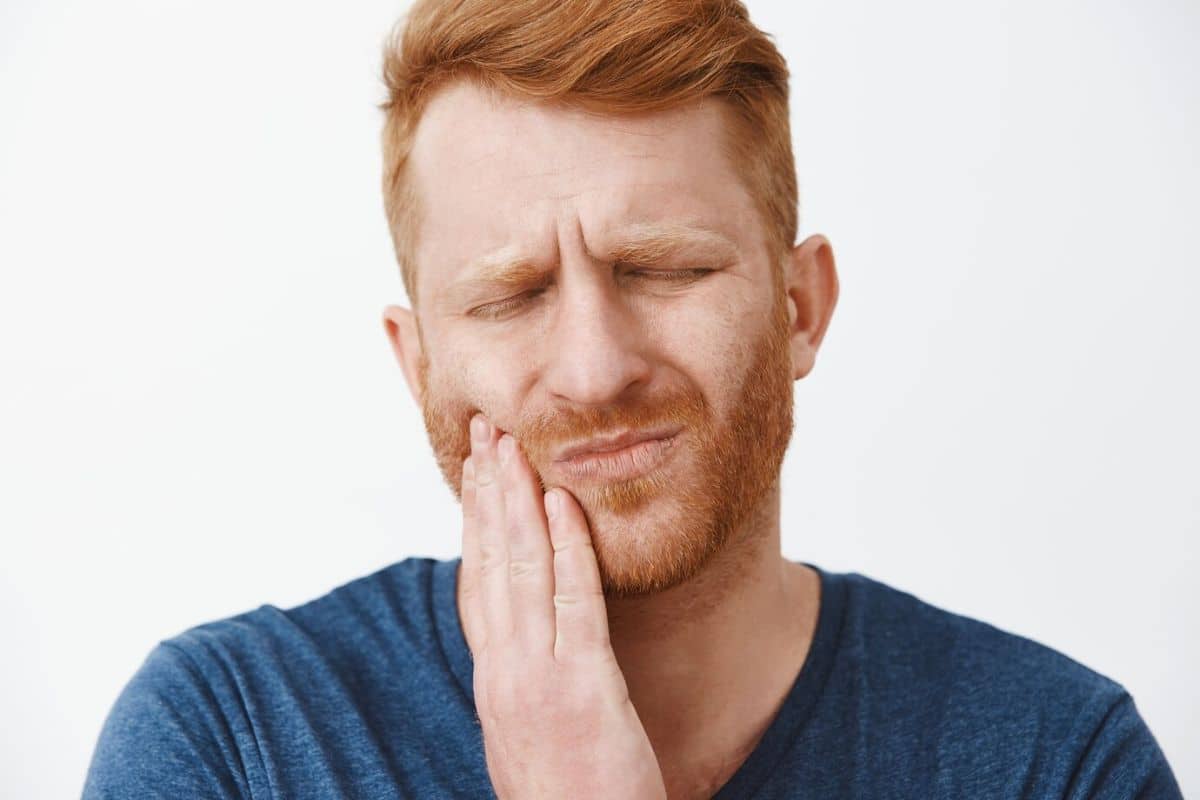
Ever get that nagging jaw pain? Maybe your gums are a little tender too? You’re not alone! Many Americans experience oral discomfort, and sometimes it’s tough to tell if it’s your jaw (TMJ) acting up or if it’s your gums screaming for help (gum disease). Let’s dive into the differences and figure out when it’s time to call in the professionals, especially a periodontist.
Understanding the Culprits
TMJ, or temporomandibular joint disorder, affects the joint that connects your jaw to your skull. According to the National Institute of Dental and Craniofacial Research, an estimated 10 million Americans experience TMJ disorders at some point in their lives. That’s a significant number! Symptoms can range from mild discomfort to severe pain, including jaw pain, headaches, earaches, and clicking or popping sounds when you move your jaw.
On the other hand, gum disease, also known as periodontal disease, is an infection of the gums that can damage the soft tissue and, if left untreated, the bone that supports your teeth. The CDC reports that nearly half (47.2%) of adults aged 30 and older in the U.S. have some form of periodontal disease. That’s a staggering statistic, highlighting the prevalence of this issue. Symptoms include red, swollen, or bleeding gums, receding gums, persistent bad breath, and loose teeth.
The Overlap and the Differences
It’s easy to see how these conditions might get confused. Both can cause discomfort in the oral region, and some symptoms can overlap. However, there are key distinctions.
- Pain Location: TMJ pain is typically localized around the jaw joint, often radiating to the ears or temples. Gum disease pain, when present, is usually felt in the gums themselves.
- Jaw Function: TMJ often affects jaw movement, leading to clicking, popping, or difficulty opening or closing the mouth. Gum disease, while it can lead to tooth loosening, doesn’t usually affect jaw function in the same way.
- Gum Appearance: Gum disease causes visible changes in the gums, such as redness, swelling, and recession. TMJ doesn’t typically alter gum appearance.
- Tooth Stability: Advanced gum disease can cause teeth to become loose. TMJ does not.
When to Seek Professional Help
So, when do you need to see a periodontist? A periodontist is a dentist who specializes in the prevention, diagnosis, and treatment of periodontal disease and the placement of dental implants.
- Gum Disease Indicators: If you notice bleeding gums, persistent bad breath, receding gums, or loose teeth, it’s crucial to see a periodontist. Early intervention can prevent significant tooth and bone loss.
- Persistent TMJ Symptoms: If you’re experiencing chronic jaw pain, difficulty moving your jaw, or frequent headaches related to jaw movement, a periodontist can often help, as they are trained in the connection between jaw function and overall oral health, and sometimes work in conjunction with other medical professionals.
- Overlapping Symptoms: If you have concerns about both TMJ and gum disease, a periodontist can provide a comprehensive evaluation and determine the best course of treatment.
- Preventative Care: Even if you’re not experiencing any symptoms, regular periodontal evaluations are essential for maintaining optimal oral health.
Why a Periodontist?
Periodontists have three additional years of specialized training beyond dental school. They possess the expertise to diagnose and treat complex gum disease cases and understand the intricate relationship between your gums, teeth, and jaw.
Don’t let oral discomfort go unchecked. Whether it’s TMJ or gum disease, addressing the issue promptly can save you from more significant problems down the line. Take control of your oral health and consult with a qualified dentist in Gilbert if you have any concerns. Your smile will thank you!

New Patients & Emergency Appointments Welcome!
