

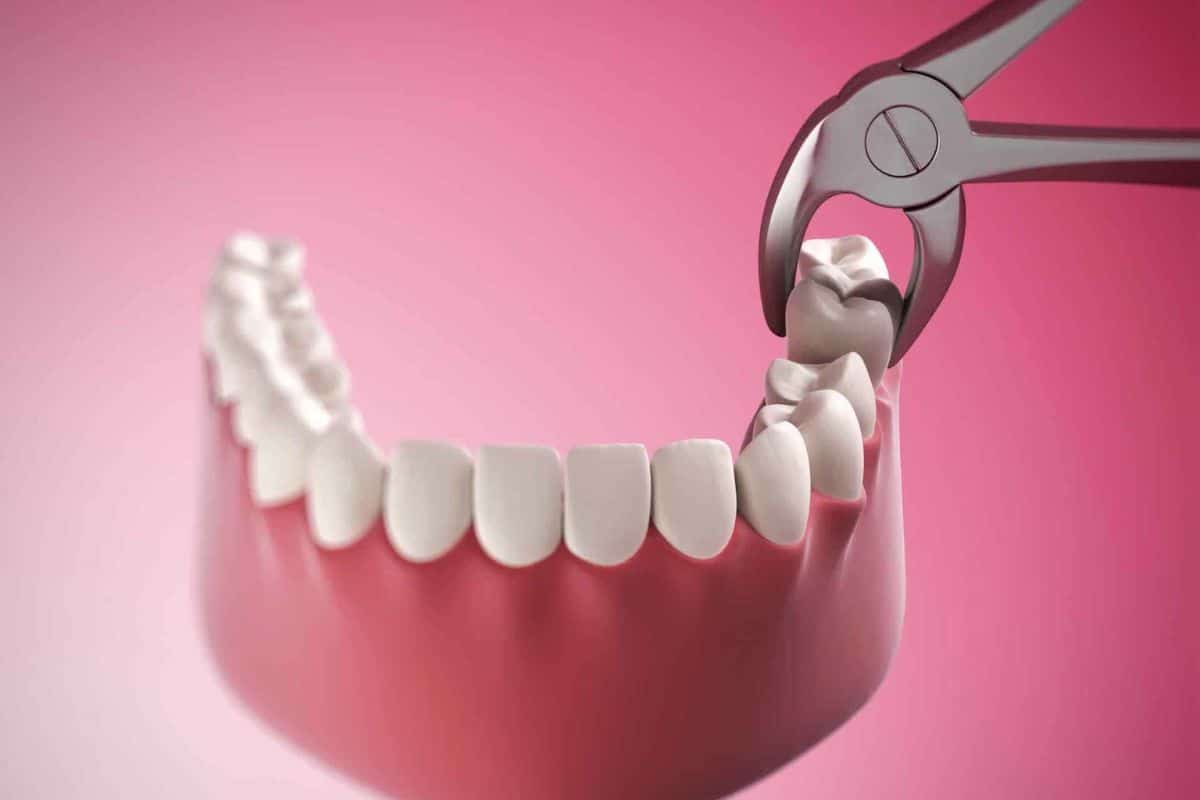
Tooth extraction can be a daunting experience, but knowing what foods to eat and avoid can make a significant difference in your recovery process. Whether you’re recovering from wisdom teeth removal or another type of tooth extraction, it’s crucial to pay attention to your diet to promote healing and avoid complications. Let’s dive into the best practices for your post-extraction diet and why certain foods are better left off your plate.
Why Your Diet Matters Post-Extraction
After a tooth extraction, your body needs time to heal the surgical site. Consuming the right foods can help minimize discomfort, reduce the risk of infection, and speed up the recovery process. According to the American Dental Association (ADA), a soft diet reduces pressure on the extraction site and helps prevent dislodging the blood clot, which can lead to a painful condition called dry socket.
Foods to Eat After a Tooth Extraction
Soft Foods
Soft foods are essential immediately following a tooth extraction as they do not require much chewing and are easy on the extraction site. Some recommended soft foods include:
- Mashed Potatoes: Rich in nutrients and easy to swallow.
- Yogurt: A good source of protein and probiotics that can aid in healing.
- Smoothies: Packed with vitamins and minerals. Avoid using a straw as the suction can dislodge the blood clot.
Protein-Rich Foods
Protein helps repair tissues and promote healing. Consider these options:
- Scrambled Eggs: Soft, easy to chew, and a high-quality protein source.
- Cottage Cheese: Soft texture and rich in protein and calcium.
Soups and Broths
Broths and soups are excellent for hydration and nutrition. Ensure they are not too hot to avoid irritating the extraction site.
- Bone Broth: High in collagen, which can aid in tissue repair.
- Creamy Soups: Like tomato or butternut squash, which are smooth and nutritious.
Hydrating Foods
Staying hydrated is crucial for recovery. Foods with high water content can help maintain hydration levels.
- Applesauce: Provides some fiber and is gentle on the stomach.
- Jell-O and Pudding: Easy to consume and soothing.
Hydration is Key
- Water: Drink plenty of water throughout the day to stay hydrated and help flush out any debris.
- Juices: Diluted fruit juices can provide essential vitamins and minerals.
Protein Power
- Protein shakes: A convenient way to get your protein fix if you’re struggling to eat solid foods.
Foods to Avoid After a Tooth Extraction
Crunchy and Hard Foods
These can break apart and get lodged in the surgical site, potentially causing irritation or infection.
- Chips and Nuts: Small pieces can easily get stuck and are challenging to chew.
- Raw Vegetables: Carrots, celery, and other crunchy veggies require too much force to chew.
Spicy Foods
Spices can irritate the extraction site and cause discomfort. Avoid foods with heavy seasoning until your mouth has healed.
- Hot Peppers: Can cause a burning sensation in the sensitive area.
- Spicy Sauces: These can aggravate the wound.
Sticky and Chewy Foods
These can adhere to the surgical site and are difficult to clean out, increasing the risk of infection.
- Chewing Gum: Not only can it get stuck, but it also creates suction that can dislodge the clot.
- Caramel and Toffees: Their sticky nature makes them a no-go post-extraction.
Alcohol and Carbonated Beverages
These can irritate the surgical site and interfere with the healing process. Alcohol can also interact negatively with pain medications.
- Beer, Wine, and Spirits: Avoid these for at least 24 hours post-surgery.
- Soda: The carbonation can cause a painful reaction in the healing tissue.
- No Smoking: Smoking significantly increases the risk of complications, including dry socket and infection.
When to Consult Your Dentist
Severe pain: If you experience severe or persistent pain that doesn’t improve with over-the-counter pain relievers.
Excessive bleeding: Bleeding that continues for more than 24 hours after the extraction.
Signs of infection: Fever, swelling, bad breath, or pus around the extraction site.
Dry socket: This painful condition occurs when the blood clot dislodges, exposing the underlying bone. Symptoms include severe pain, bad breath, and an unpleasant taste in your mouth.
The Importance of Following Post-Extraction Guidelines
A study published in the Journal of Oral and Maxillofacial Surgery found that patients who adhered to dietary recommendations post-extraction experienced faster healing and fewer complications. By following the advice of your dentist and focusing on a diet of soft, nutritious foods, you can ensure a smoother recovery process.
Conclusion
Understanding what foods to eat and avoid after a tooth extraction is crucial for a smooth and swift recovery. Stick to soft, protein-rich, and hydrating foods while steering clear of crunchy, spicy, sticky, and alcoholic items. Always consult your qualified dentist in Gilbert for personalized advice and follow their guidelines to prevent complications and promote healing.



New Patients & Emergency Appointments Welcome!
