

There are many misconceptions about sleeping with dentures that can lead to unpleasant consequences. Our article will inform you about the risks and benefits of sleeping with dentures, helping you make an informed decision.
Are you one of the millions of people who wear dentures? If so, you may have wondered whether it’s safe to sleep with them. While some people swear by sleeping with their dentures on, others worry about the risks involved. In this blog post, we’ll delve into the topic and help you understand the potential benefits and risks associated with wearing dentures while sleeping. So put on your reading glasses (or take them off if you’re already wearing your dentures!) and let’s get started!
What are dentures?
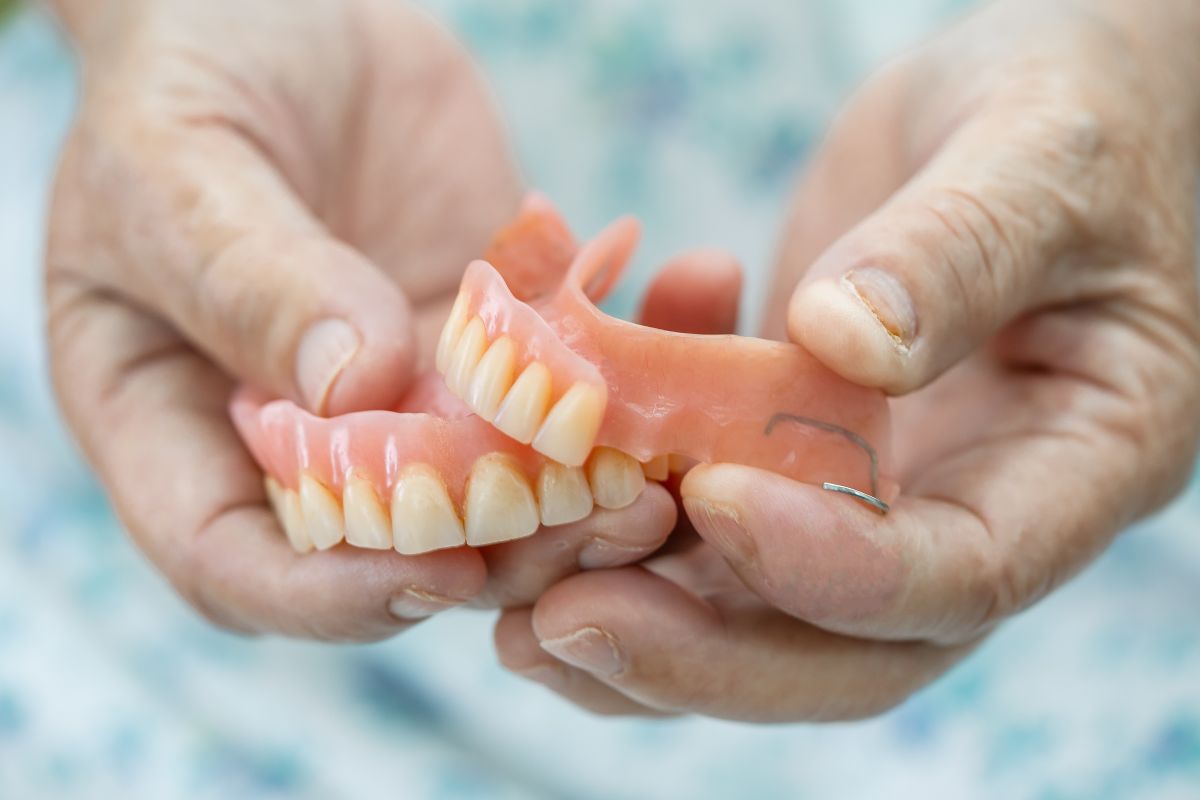
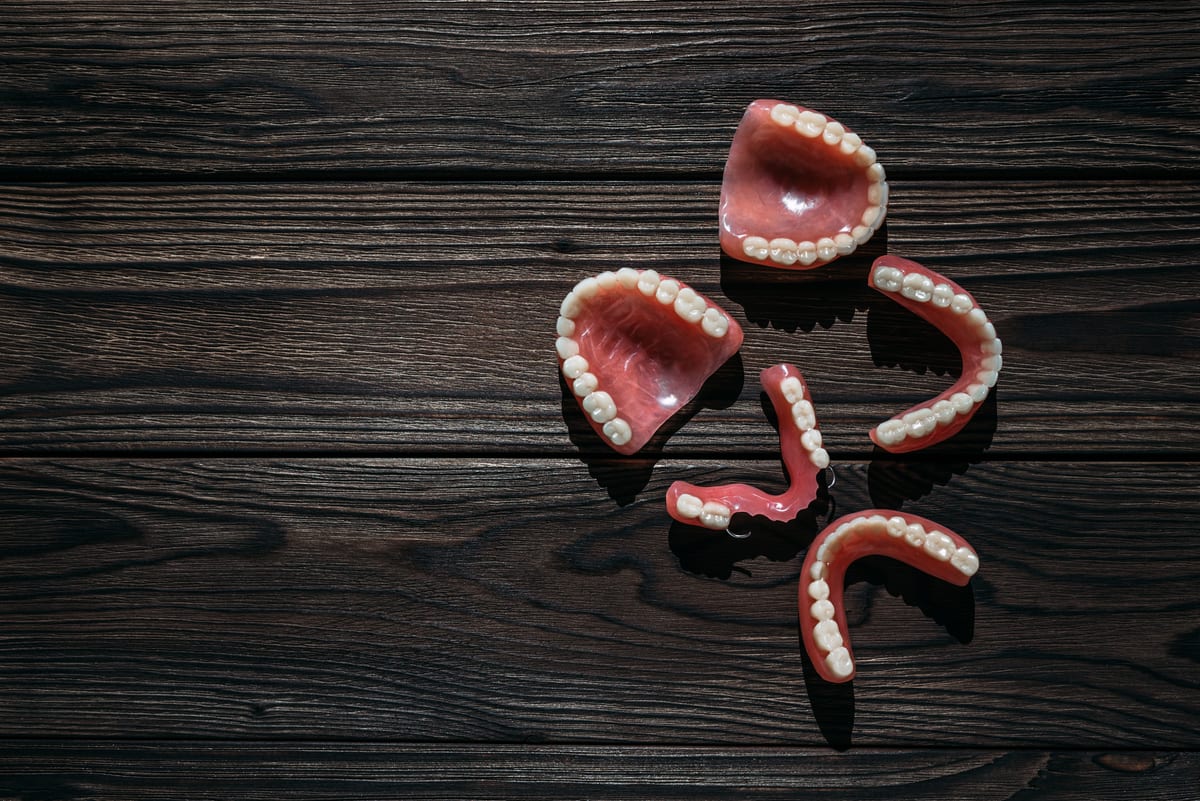
Dentures are removable dental appliances that can replace missing teeth and provide support for facial muscles. They are usually made of acrylic or porcelain and are custom-fitted to your mouth. Dentures can be full or partial, depending on how many teeth you have lost.
Many people worry about sleeping with their dentures in, but it is generally safe to do so. However, there are some risks associated with sleeping with dentures that you should be aware of.
Risks associated with sleeping with dentures are:
Increased risk of aspiration: If you wear your dentures while you sleep, there is an increased risk of them becoming loose and falling out. If this happens, you may inhale (aspirate) them into your lungs, which can lead to serious health complications.
Denture breakage: Sleeping with your dentures in can also increase the risk of them breaking or cracking. This is because the constant contact between your denture and pillow can put pressure on the appliance, causing it to fail.
Oral health problems: Wearing dentures 24 hours a day can actually lead to oral health problems, such as gum inflammation (gingivitis) or fungal infections. It’s essential to remove your dentures at night so that your gums can get some much-needed rest.
How do dentures work?
Dentures are removable dental appliances that can replace missing teeth and provide support for the cheeks and lips. They are typically made of acrylic or porcelain and are held in place by suction or a bonding agent. Dentures can be removed and cleaned daily.
When dentures are first placed, it is common to experience some discomfort and difficulty speaking or eating. This is a temporary issue that will subside as you become accustomed to wearing your dentures. It is essential to practice speaking and eating with your dentures before leaving the house, so you feel confident and comfortable when you’re out in public.
Wearing dentures also alters the way you perceive the taste of food. This is because your teeth help to trap flavor molecules from food and direct them toward your taste buds. Without teeth, food will still taste good, but it may not be as flavorful as it once was.
It is generally safe to sleep with dentures in, but there are some risks associated with this practice. One risk is that your dentures could slip out of place while you sleep, causing you to choke or suffocate on them. Another risk is that you could develop an infection if bacteria from your mouth get trapped under your dentures. If you have any concerns about wearing your dentures, consult your dentist or doctor.
Are dentures safe to sleep with?
If you wear dentures, you may wonder if it’s safe to sleep with them in. After all, you don’t want to drop them or damage them while you’re asleep accidentally. However, there are a few things to consider before deciding to sleep with your dentures in.
First, it’s essential to clean your dentures daily. This will help remove any food particles or bacteria that could cause problems if they’re left on the dentures overnight. Be sure to brush and rinse your dentures well before going to bed.
Second, consider whether your jaw and gums can handle wearing dentures all night long. If you have sensitive teeth or gums, it may be best to take your dentures out at night so that your mouth can rest.
Third, think about whether you’re comfortable sleeping with your dentures. If you’re accustomed to sleeping without them, it may take some time to adjust to wearing them overnight. You may also want to try wearing them for a few hours during the day before sleeping with them so that you can get used to the sensation.
Fourth, consult with your dentist before making any decisions about wearing your dentures while sleeping. They can provide you with specific advice tailored to your individual situation and dental health.
What are the risks of sleeping with dentures?
There are a few risks associated with sleeping with your dentures. One of the most significant risks is accidentally swallowing your dentures. This can lead to choking or an obstruction in your digestive tract. If you wear ill-fitting dentures, you may also be at risk for developing sores on your gums or other irritation. Additionally, if you don’t clean your dentures properly, you may be at risk for infection.
What are the benefits of sleeping with dentures?
There are many benefits to sleeping with dentures in, including:
Prevents teeth from shifting: When you wear dentures, your teeth are no longer anchored in place by roots. This can cause them to shift around in your mouth, which can be uncomfortable and lead to problems with eating and speaking. Wearing dentures at night helps keep your teeth in place, allowing you to avoid these issues.
Reduces gum irritation: Sleeping with dentures can help reduce gum irritation caused by rubbing against the gums.
Keeps mouth moist: Dentures help keep your mouth moist by providing a barrier between your saliva and the air, thereby preventing dryness. This is especially important if you suffer from dry mouth or experience mouth pain when wearing dentures during the day.
Prevents bone loss: Without teeth roots, the bone that once supported them begins to resorb, or shrink away. Wearing dentures at night helps prevent this bone loss by providing stimulation to the bone tissue.
Allows for easier adjustment: If you’re new to wearing dentures, it can take some time to get used to them. Sleeping with your dentures in allows you to get accustomed to the feel of them in your mouth, making it easier to wear them comfortably during the day.
How to care for dentures?
Here are some pointers for maintaining your dentures:
- Rinse your dentures before bed and after each meal.
- Brush your dentures at least once a day with a soft-bristle brush. You can also use mild soap.
- Soak your dentures in a mild detergent solution or in water overnight. They will stay moist and avoid drying out as a result.
- Never soak your dentures in hot water, as this can cause them to distort.
- Don’t allow your dentures to come into contact with hard or sharp objects, as this can damage them.
Keep Your Smile Healthy – Visit Island Dental in Gilbert, AZ for Supportive Denture Care
In conclusion, it is generally recommended that you remove your dentures before going to bed and soak them overnight. This will help keep your gums healthy and prevent potential damage to your dentures. However, if you choose to sleep with them in, make sure to use a secure adhesive so they don’t come loose during the night. By doing so, you can enjoy the comfort of sleeping with dentures while keeping your dental health in top condition.
For guidance tailored to your needs, Contact Island Dental today.

New Patients & Emergency Appointments Welcome!
