

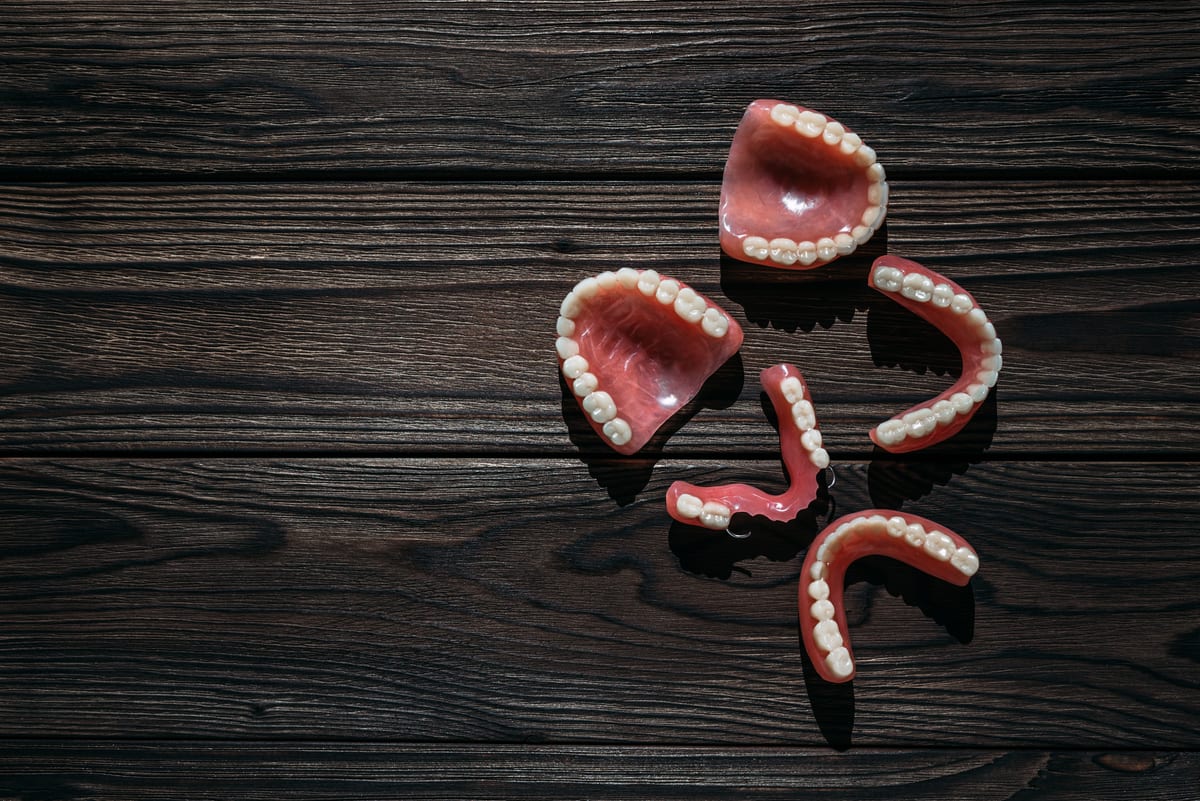
Getting new dentures can be an exciting step toward restoring your ability to eat, speak, and function comfortably. At the same time, many new denture wearers are surprised by how different eating can feel during the first few weeks.
Your gums and mouth need time to adjust, and your chewing muscles need to learn how to work with your new dentures. Starting with softer foods and gradually introducing different textures can make the transition easier.
If you’ve recently received new dentures, this food guide can help you understand what to eat during the adjustment period, which foods may be challenging, and how to make mealtimes more comfortable as you adapt. For patients looking for a Dentist in Gilbert, personalized guidance can also help address denture fit, comfort, and eating concerns.
The First Week: Start With Soft Foods
During the first several days, your gums may feel tender as your mouth adjusts to your new dentures. Foods that require little chewing are usually easier to manage during this stage.
Good options include:
- Yogurt and pudding
- Mashed potatoes
- Soft scrambled eggs
- Oatmeal
- Smooth soups and broths
- Applesauce
- Smoothies and protein shakes
- Soft canned fruits
- Cottage cheese
Take small bites and chew slowly. Try to distribute food evenly on both sides of your mouth to help improve denture stability.
If a food causes discomfort, return to softer options and try it again later.
Weeks Two Through Four: Add More Texture
As you become more comfortable, gradually introduce foods that are soft but require more chewing.
Consider:
- Soft fish such as salmon or tilapia
- Well-cooked pasta and rice
- Cooked vegetables
- Ripe bananas and soft melon
- Ground chicken or turkey
- Soft cheese
- Pancakes
- Soft bread without hard crusts
Cut foods into small pieces before eating and chew slowly. If food repeatedly becomes trapped beneath your dentures or causes irritation, your dentures may need an adjustment.
Foods That May Be Difficult With Dentures
Some foods can be harder to chew with dentures and may increase the risk of discomfort or denture movement.
Use extra caution with:
- Hard candies
- Whole nuts
- Popcorn with unpopped kernels
- Sticky caramel and taffy
- Tough cuts of meat
- Very crusty bread
- Raw apples
- Raw carrots
- Foods with small hard seeds
You don’t necessarily have to avoid every challenging food forever. Instead, consider changing how you prepare it. For example, cut raw fruits and vegetables into small pieces or choose cooked versions when they are easier to chew.
Avoid biting forcefully into very hard foods with your front teeth because this can cause dentures to shift and place unnecessary stress on the appliance.

Long-Term Eating With Dentures
As you adapt, you can gradually expand your diet and return to many of the foods you enjoy.
A few simple techniques can make eating easier:
- Cut meat into smaller pieces.
- Choose tender cuts and cook them until soft.
- Slice meat against the grain when appropriate.
- Cook vegetables until tender.
- Cut corn off the cob.
- Cut crunchy fruits into smaller pieces.
- Choose softer bread when crusty bread is difficult to manage.
- Chew slowly on both sides of your mouth.
Some foods may remain more challenging than others. The goal is to find comfortable ways to maintain a varied and nutritious diet.
Do You Need Denture Adhesive?
Some denture wearers use adhesive for additional security or comfort. However, adhesive shouldn’t be used to compensate for dentures that are loose, painful, or poorly fitting.
If your dentures consistently slip, click, rock, or cause sore areas while you eat, schedule a dental evaluation. Your dentist can determine whether an adjustment or another solution is needed.
Nutrition Tips for New Denture Wearers
A softer diet doesn’t have to mean poor nutrition. During the adjustment period, choose foods that provide protein, calcium, vitamins, and other nutrients your body needs.
Choose Soft Protein Sources
Good options include:
- Eggs
- Soft fish
- Ground poultry
- Beans and lentils
- Cottage cheese
- Yogurt
- Soft tofu
Include Calcium-Rich Foods
Yogurt, milk, cottage cheese, and other calcium-rich foods can be easy to include in a soft-food diet.
If you avoid dairy, consider other calcium-containing foods that fit your dietary needs.
Stay Hydrated
Drink water regularly throughout the day. Adequate hydration supports overall health and may help with dry-mouth symptoms.
If you experience persistent dry mouth while wearing dentures, discuss it with your dental provider because reduced saliva can affect comfort and denture retention.
How to Make Eating With New Dentures Easier
Small changes can make the adjustment period more comfortable.
Take Smaller Bites
Smaller pieces are easier to control and require less chewing force.
Chew on Both Sides
Distributing food more evenly can help improve denture stability while you eat.
Eat Slowly
Take your time during meals. Eating slowly gives you better control and helps you identify foods that may be uncomfortable.
Introduce Foods Gradually
Don’t try to return to your entire previous diet immediately. Add new foods gradually as your comfort improves.
What If Your Dentures Hurt When You Eat?
Some tenderness can occur while you’re getting used to new dentures, but persistent pain shouldn’t be ignored.
Contact your dental provider if you experience:
- Persistent sore spots
- Pain that doesn’t improve
- Dentures that repeatedly slip
- Difficulty chewing soft foods
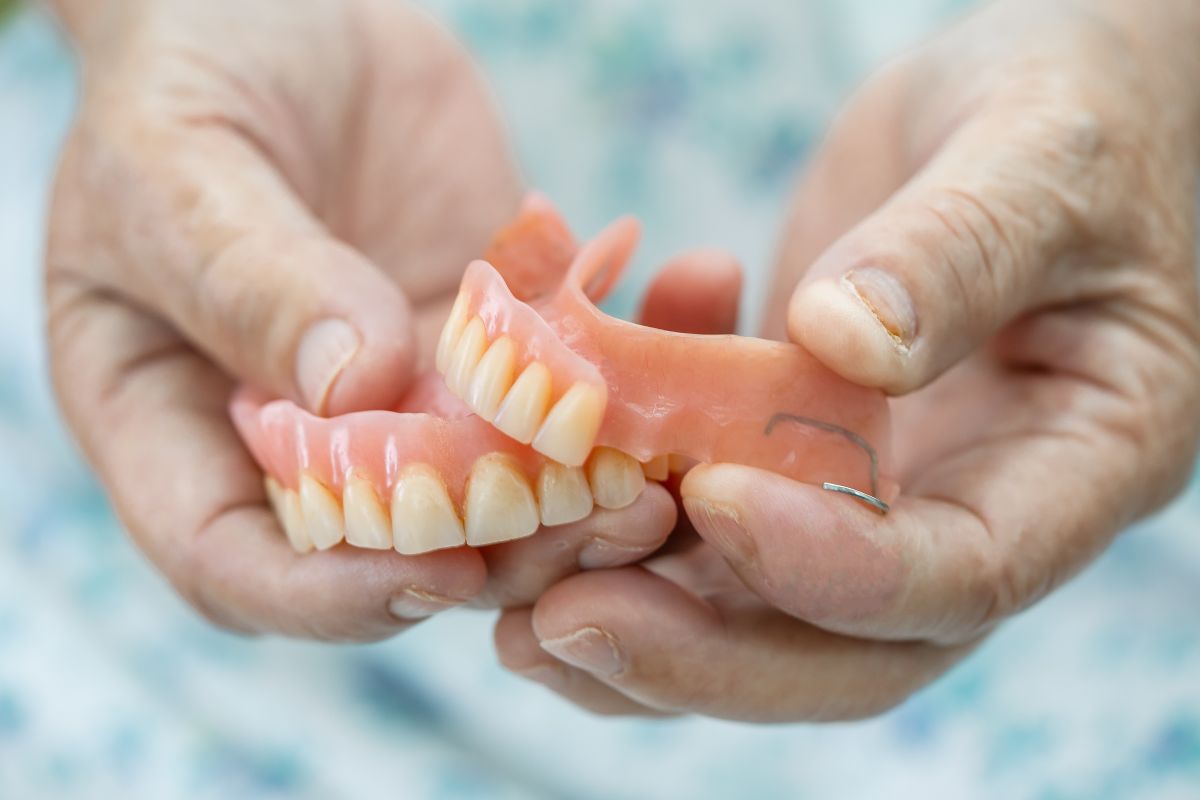
- Loose dentures
- Significant irritation
- Clicking or movement during meals
A professional adjustment may improve comfort and stability. Don’t try to adjust your dentures yourself because improper changes can affect their fit.
When Should You Schedule a Denture Follow-Up?
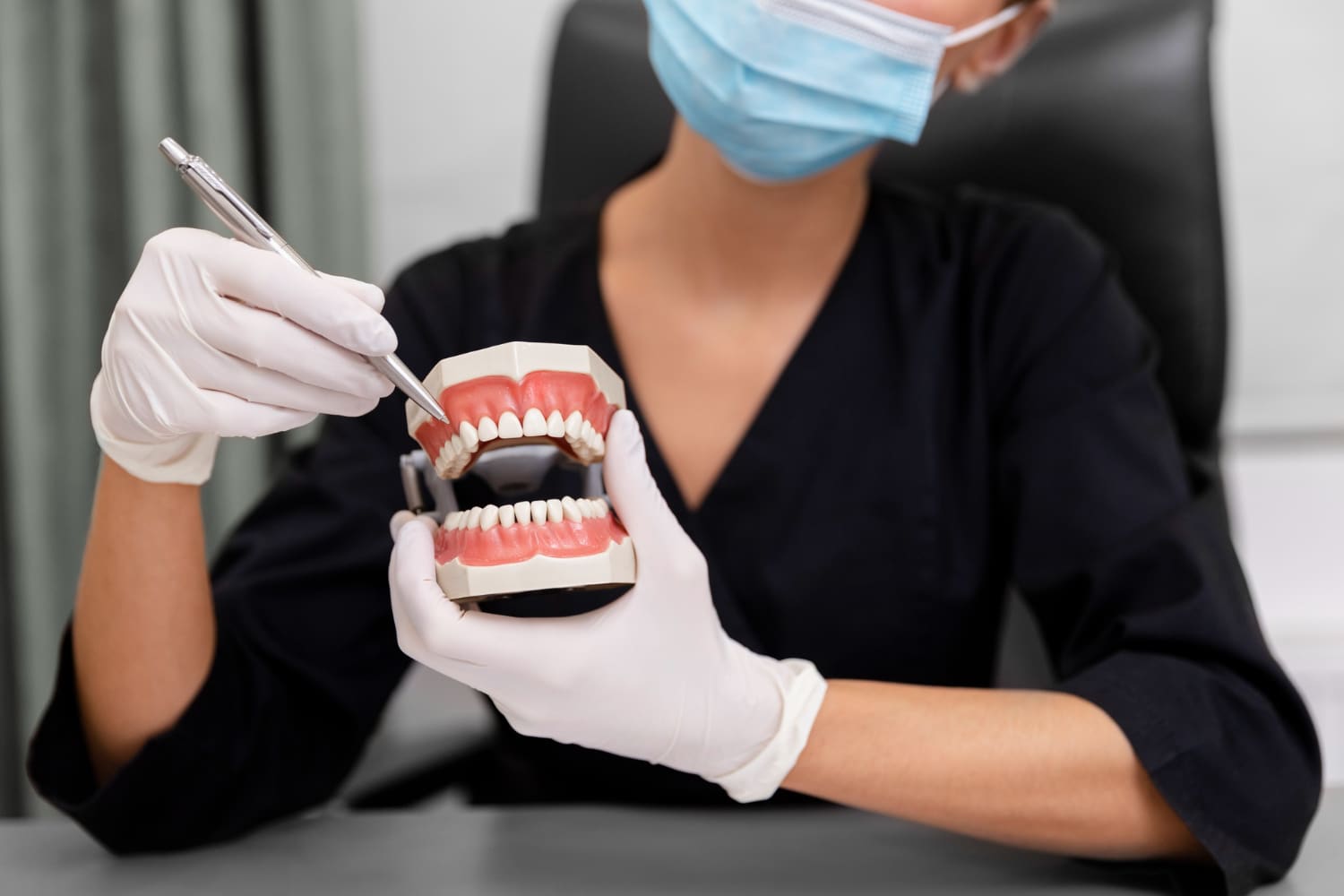
Follow-up visits allow your dentist to evaluate how your mouth is adapting and determine whether your dentures need an adjustment.
The appropriate schedule varies by patient and denture type. Changes in the gums and jawbone over time can also affect denture fit, making regular dental visits important.
If you are experiencing ongoing problems with your dentures, Island Dental – Dentist Gilbert, AZ can evaluate the fit and help determine whether an adjustment or another solution is appropriate.
Denture Care Is Part of Comfortable Eating
Keeping your dentures clean is important for comfort and oral health. Food particles can collect around dentures and contribute to irritation or unpleasant odors.
Clean your dentures according to your dentist’s instructions, and continue caring for your gums, tongue, and any remaining natural teeth.
For additional information about denture care and oral health, see the American Dental Association’s denture resources.
Dentures and Other Dental Treatment Options
Dentures are one option for replacing missing teeth, but treatment recommendations vary from patient to patient.
If you’re interested in other ways to improve the appearance or function of your teeth, explore Cosmetic Dentistry in Gilbert.
For patients with natural teeth who are considering orthodontic treatment, Invisalign in Gilbert may also be an option depending on their individual needs.
When Can You Eat Normally With New Dentures?
There isn’t one timeline that applies to everyone. Some people become comfortable with a wider range of foods within several weeks, while others need more time to adapt.
Your progress can depend on the type and fit of your dentures, your oral health, and how quickly you become comfortable chewing with them.
Gradually introduce different textures rather than forcing yourself to eat foods that remain uncomfortable.
Ready to Eat More Comfortably With Your Dentures?
Adjusting to new dentures takes patience, but eating generally becomes easier as your mouth adapts. If you’re experiencing persistent discomfort, difficulty chewing, or concerns about how your dentures fit, professional guidance can help.
Call (480) 744-4622 to schedule an appointment and discuss your denture concerns.
Frequently Asked Questions
How long before I can eat normally with new dentures?
Many people gradually expand their diet during the first several weeks, but complete adaptation can take longer. Your timeline depends on your dentures, oral health, and comfort level.
What foods should I eat during the first week with dentures?
Soft foods such as yogurt, scrambled eggs, mashed potatoes, oatmeal, smooth soups, applesauce, cottage cheese, and soft fruits are generally easier to manage during the initial adjustment period.
Can I eat hard foods with dentures?
Some hard foods may remain difficult to chew comfortably. Hard candies, whole nuts, popcorn kernels, and tough foods can place excessive pressure on dentures. Softer preparations and smaller pieces are generally easier to manage.
Can denture adhesive make it safe to eat hard foods?
No. Adhesive may provide additional security, but it doesn’t make hard or sticky foods safe to eat. If your dentures move significantly during meals, a professional evaluation is more appropriate.
Why do my dentures move when I eat?
Movement can occur because of the adjustment period, food texture, chewing technique, or changes in denture fit. If movement continues or causes pain or sore spots, contact your dental provider.
When should I have my dentures checked?
Follow your dentist’s recommended follow-up schedule. You should also schedule an evaluation if your dentures become uncomfortable, loose, painful, or difficult to use.

New Patients & Emergency Appointments Welcome!
