

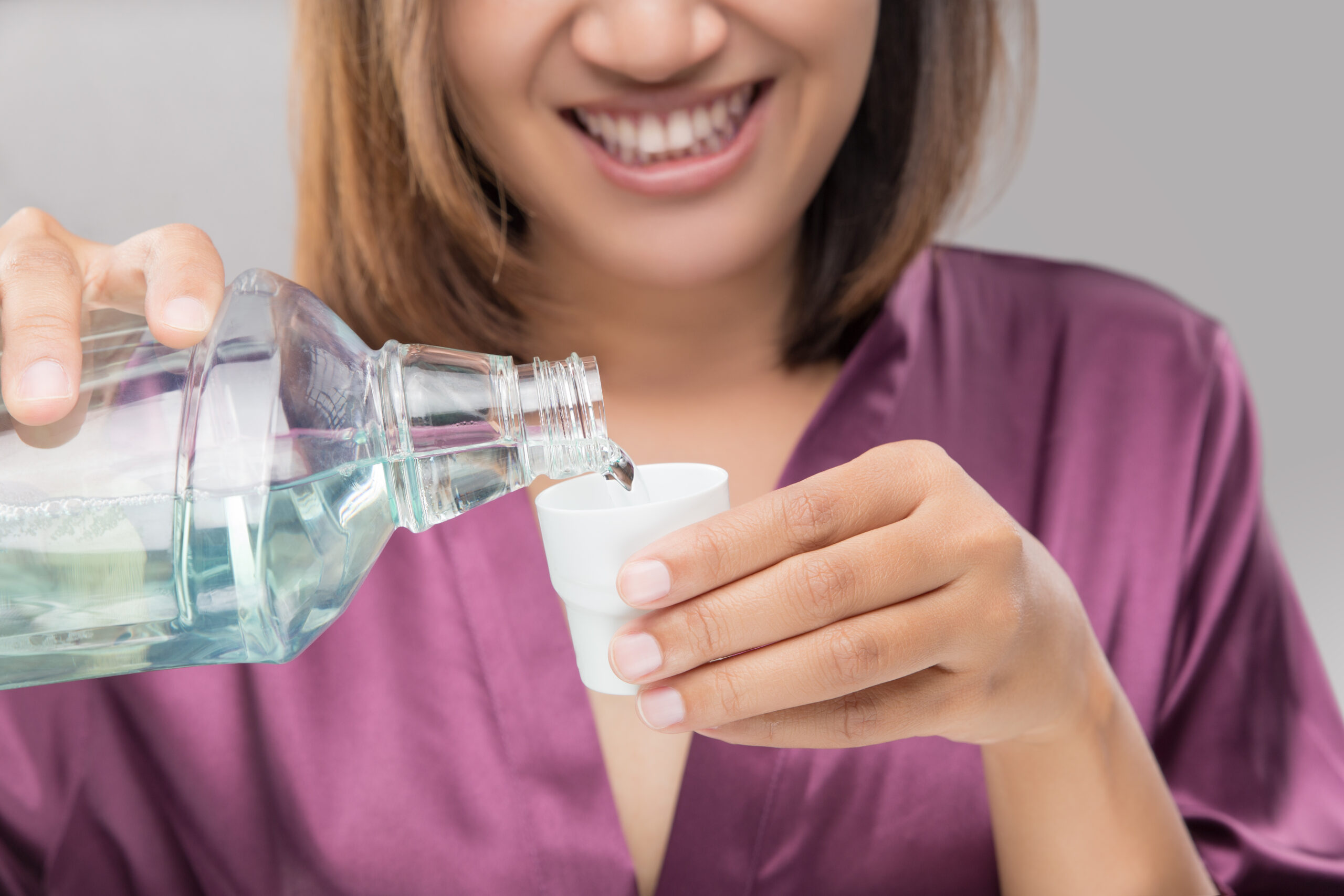
Although dental implants have resolved your issue of missing teeth, only aftercare can promote sustainability. The implantologist must have instructed you to maintain a top-notch oral routine. However, before introducing mouthwashes into your implant care plan, you must clearly understand their safety. Knowing the right products and timing is essential for a successful recovery. If you are unsure about using mouthwash, this blog is for you.
Why Is Oral Hygiene Vital After Getting Dental Implants?
Proper oral hygiene after dental implant surgery is essential to ensure your implants heal properly. Adequate care prevents infection and promotes faster recovery. Brushing your teeth gently and using the right solution can help avoid complications like swelling, pain, and related illness. However, not all rinses are suitable for post-surgery use, so one must be extra careful when choosing the right type.
Can I Use An Antibacterial Solution Right After A Prosthetic Teeth Treatment?
Yes, you can, but with some precautions.
Immediately after surgery, the dental practitioner will likely recommend avoiding rinses containing alcohol and strong chemicals. Alcohol-based solutions can irritate the surgical area, slow down recuperation, and cause constant discomfort.
Instead, use an antimicrobial or saltwater rinse, a gentler and safer option for healing the surrounding tissues. These alternatives help reduce infection risk, keeping your mouth clean while not disrupting recovery.
What Type Of mouthwash Is Best For Post-Implant Surgery?
After receiving a dental implant, a few specific types of oral rinses can be helpful. Here are the best types to consider:
- Antiseptic Gargle: It reduces bacterial formation without irritating the healing site. It is an excellent option for preventing infections after surgery.
- Saltwater Rinse: A simple saltwater rinse is a natural and effective option for reducing inflammation and promoting healing. Mix half a teaspoon of salt with warm water and rinse gently.
- Non-Alcoholic Mouthwash: Look for alcohol-free oral solutions labeled safe for post-surgery use. These are designed to be gentle on the gums and artificial tooth roots while fighting bacteria.
When Is The Best Time To Start Using A Gargle?
The timing depends on the professional’s recommendations and how well the area returns to normalcy. Generally, you should wait at least 24 hours before usage, allowing your gums to begin curing. After the initial 24-hour period, you can use a gentle saltwater rinse until a particular product is recommended during the follow-up consultation. Still unsure about the safety? Address your concern with a local dentist near you to stay on top of oral care.
Can Oral Washes Damage My Permanent Tooth Replacements?
Only using the wrong type can lead to complications. Alcohol-based mouthrinse can irritate the tissues and slow the curing process, making your implants more susceptible to infection. Always check with a Gilbert dentist for recommendations on what type to use when returning to the normal phase.
In conclusion, while oral washes can help maintain oral hygiene after dental implants, choosing the right type is essential. If you have had a dental implant, consult a professional before selecting and using any rinses.
Contact our office today to discuss missing teeth or post-surgery care solutions. We are here to help you achieve a successful and smooth recovery. Book an appointment now to learn more about caring for your dental implants!
Frequently Asked Questions (FAQs)
How long after dental implants can I use mouthwash?
You can use mouthwash after the first 24 hours, but only with a saltwater rinse or a non-alcoholic option.
What is the best mouthwash for healing implanted teeth?
An antimicrobial mouthwash or saltwater rinse is ideal for healing dental implants, as they are gentle and promote healing.
Can alcohol-free oral wash help with artificial tooth roots?
Yes, alcohol-free rinses are safe after dental implant surgery, as they won’t irritate the healing gums.
How can I reduce swelling in the surgical teeth?
Swelling can be reduced by applying cold compresses in the first 48 hours, taking prescribed medications, and following proper oral care.
Can oral rinses cause infections at the treatment site?
Using the wrong type of mouthwash, particularly alcohol-based ones, can cause irritation and infection. Always follow your dentist’s advice on mouth rinse use.


New Patients & Emergency Appointments Welcome!
