


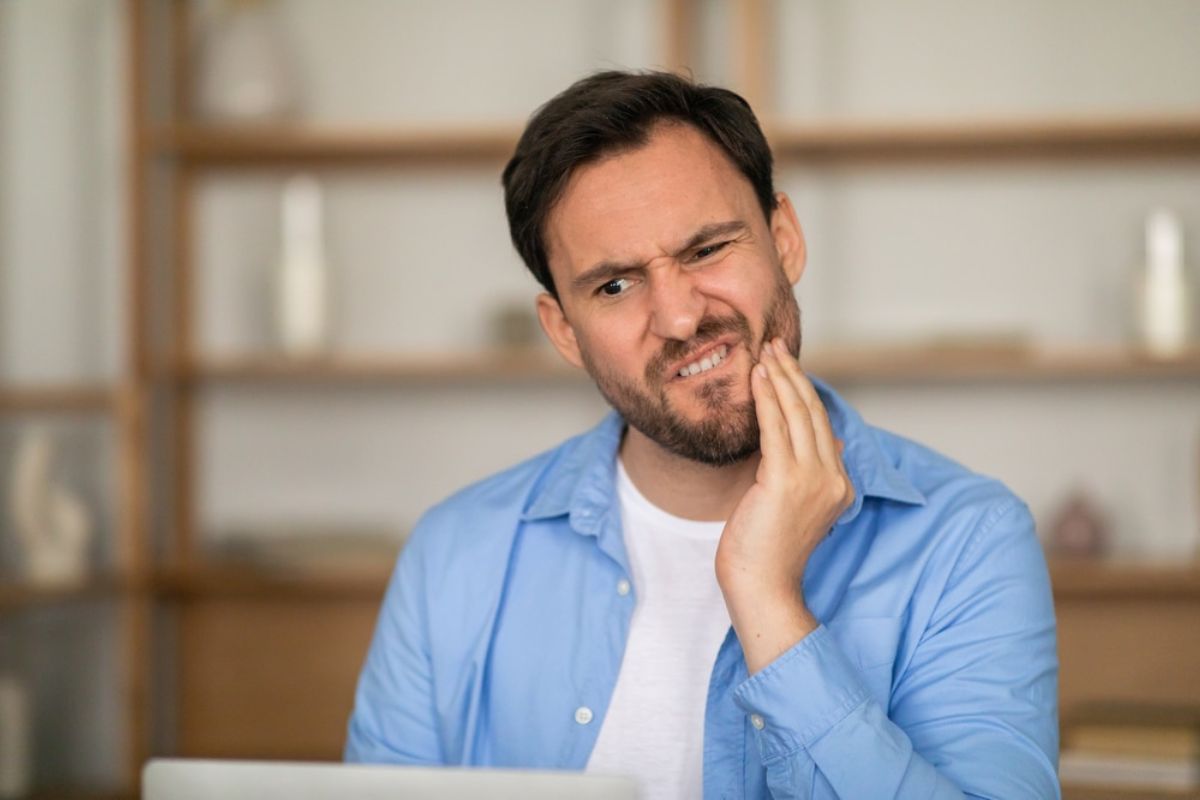
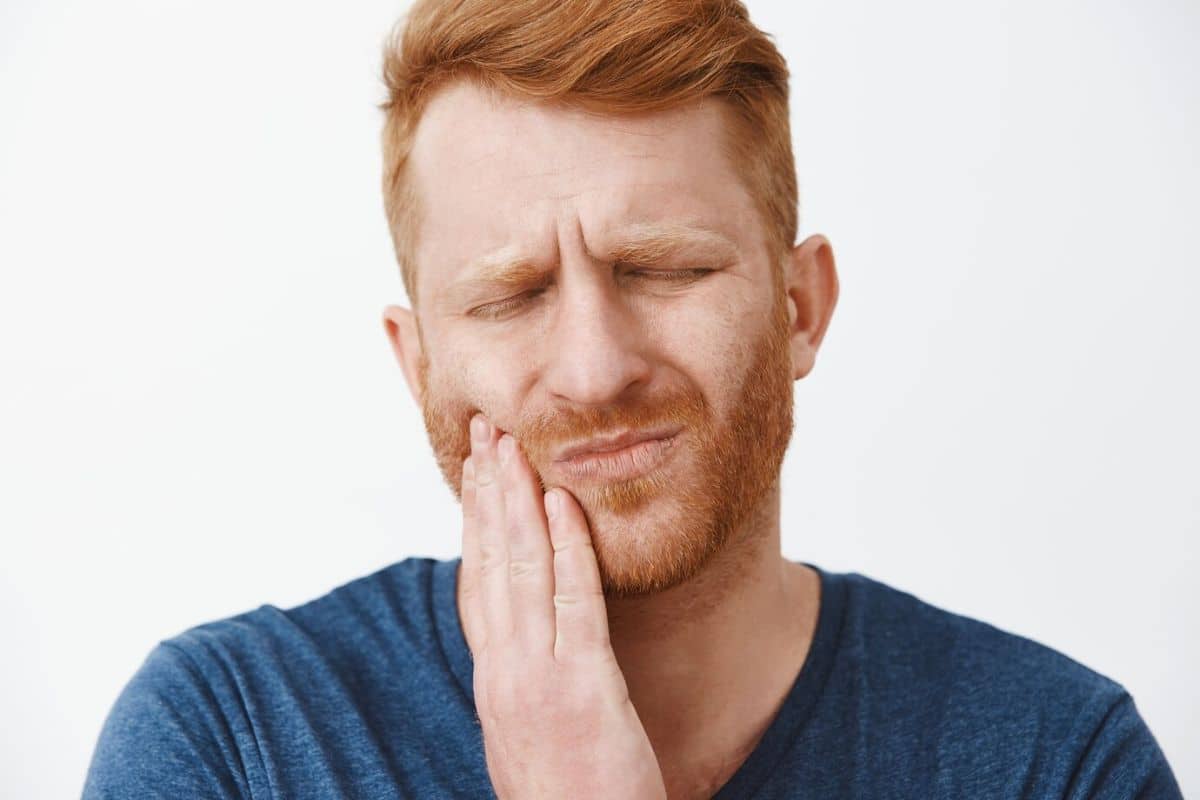
Do you often experience jaw pain, headaches, or difficulty eating and speaking? You could be among the many dealing with temporomandibular joint (TMJ) disorder, which affects the joint connecting your jaw to your skull. TMJ issues can be frustrating and painful, impacting your daily life and overall comfort.
The good news is that effective treatments are available to help ease the discomfort and restore normal function. In this guide, we will learn about possible TMJ treatments, including the causes, symptoms, and solutions to help you achieve relief and enjoy a healthier, pain-free smile.
An Understanding Of TMJ Disorder
Understanding TMJ disorder is essential as they are directly connected to your daily activities, like eating, speaking, and even yawning. This hinge-like joint connects your jawbone to your skull, allowing smooth movement and functionality.
When joints and muscles experience or encounter any malfunction, it can lead to various severe and painful symptoms known as TMJ disorders or TMD.
For better understanding, these key points indicate that treatment is necessary.
- They can cause jaw pain, stiffness, or clicking sounds.
- Headaches, earaches, and facial discomfort are common symptoms.
- Stress, teeth grinding, or joint injuries can all result in TMD.
By being aware of these problems, recognizing the warning signals early, and seeking appropriate treatment, you can recover your comfort and improve your quality of life.
What Are The Common Causes Of TMJ Disorder?
You, too, might be in such a condition. The difference is that you might not have known the probable symptoms of why you are facing discomfort until now. Knowing the root cause of any disease is crucial as it makes one aware of the actions or habits to keep in check.
- Jaw Injury: A severe accident, a dental trauma, or an injury can disrupt the TMJ functionality.
- Stress And Anxiety: Youths and adults should be aware of their stress levels, as having too much anxiety can result in TMJ disorders.
- Bruxism: Temporomandibular disorders may originate from excessive joint stress caused by teeth grinding or clenching, frequently occurring while you sleep.
- Arthritis: Various types of arthritis can impact your joints, leaving you in discomfort while producing inflammation.
- Consuming Chewing Gum: Regular chewing on gums can overwork your jaws, affecting their functionality.
- Malocclusion: A misaligned bite in which your teeth are not aligned correctly can strain your jaw.
Advanced TMJ Treatment Options
If you have been undergoing joint pain in your facial area for a prolonged time or have recently experienced soreness, the first step is a professional diagnosis. Only a dentist can tell how severe your condition is and what treatment plan is best. The treatments are usually painless, but knowing them beforehand can ease your mind.
According to the National Institute of Dental and Craniofacial Research (NIDCR), approximately 10 million Americans are affected by TMJ disorders. The good news? Many non-surgical treatments can provide significant relief.
Mouthguards And Oral Splints
Splints and mouthguards are the best options for custom-fitted oral appliances to help reduce TMJ strain and stop teeth clenching or grinding.
Prescribed Medications
Proper medications can provide relief to the immense pain. However, it is always better to check up with a dentist before using pain-relief or anti-inflammatory capsules for best results.
A Physical Therapy
Therapeutic exercises are beneficial in treating muscle and joint pain. It increases the jaw’s strength and movement, easing pain and stiffness.
Stress Management And Lifestyle Change
Quit chewing on gums and hard foods, as they can trigger the pain. Chewing on these can also create unnecessary stress on the jaws, leaving you uneasy.
Botox Injections
Botox is not just for cosmetic purposes but also for TMD treatments. These injections temporarily weaken the muscles, which clench or grind your teeth. It reduces muscle pressure and typically lasts for a few months.
Surgery Is Not The Only Option For TMJ Disorder
Numerous non-surgical treatments can help control your TMJ symptoms. Consulting with a qualified dentist in Gilbert is best because they will work with you to determine the most effective course of action for long-lasting relief. TMJ is more than fixing the pain. Instead, it also restores your quality of life.
By actively seeking help from a professional and incorporating self-care treatments, you can enhance comfort and regain control of your oral health.

New Patients & Emergency Appointments Welcome!
