

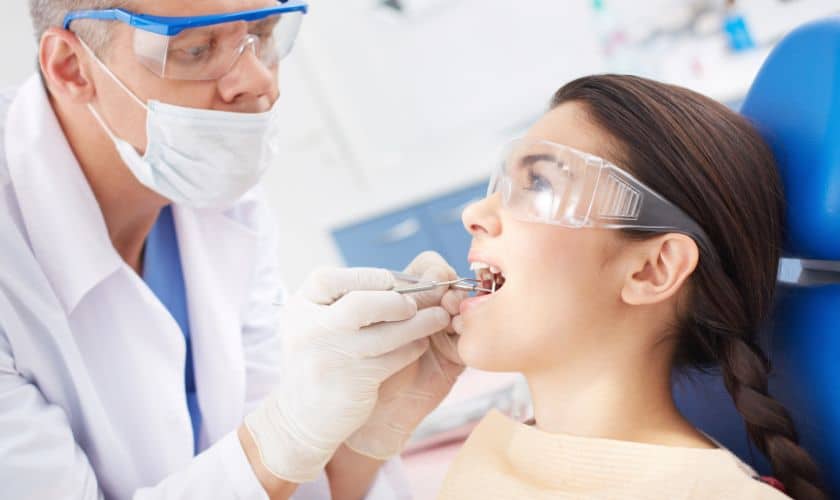
Are you scheduled for an upcoming oral surgery? While the thought of going under the knife can be daunting, don’t fret! With proper post-operative care, you’ll be on your way to a speedy and easy recovery. From managing swelling to maintaining good oral hygiene, we’ve got you covered with these essential tips for taking care of yourself after oral surgery. So sit back, relax, and let us guide you through this process!
What is oral surgery?
Oral surgery involves any procedure that involves the teeth, gums, jawbone, or other related areas. It is usually performed by a dental surgeon who specializes in these types of procedures. The most common oral surgeries include tooth extractions, wisdom tooth removals, root canals, and gum surgery.
Tooth extractions are commonly done when there is too much damage to the tooth for it to be repaired. This could be due to decay or trauma. Wisdom teeth removal is also fairly common, as they can cause overcrowding and misalignment of other teeth if left untreated.
Root canal therapy is often needed when there is an infection deep inside the tooth that has spread to the pulp and nerve endings, causing extreme pain. Gum surgery may be necessary for patients with periodontitis, which is a severe form of gum disease.
Before undergoing any type of oral surgery, it’s important to discuss all options with your dentist or oral surgeon in order to make an informed decision about what treatment plan will work best for you.
What to expect after oral surgery
After undergoing oral surgery, it is important to know what to expect during the recovery period. The first few days following surgery are usually the most uncomfortable, but knowing what to anticipate can help make the process smoother.
It is normal to experience some pain and discomfort after an oral surgery procedure. Your dentist or surgeon will likely prescribe pain medication that you should take as directed. It’s important not to exceed the recommended dosage, as this could lead to complications.
Swelling and bruising are also common post-surgery side effects. These symptoms typically peak within 2–3 days following your operation before starting to subside.
In addition, you may experience difficulty eating and speaking normally for a few days until your mouth begins healing. You may need to stick with soft foods like yogurt, soup, or mashed potatoes while avoiding hard, crunchy, or spicy foods that could irritate your mouth.
Understanding what happens after surgery can help ease anxiety about recovery timeframes and expectations of any potential discomfort or limitations in daily activities such as eating and speaking clearly.
Rest and recovery
After oral surgery, rest and recovery are crucial to ensuring proper healing. It’s important to take it easy for the first few days after your operation. Try to limit physical activities, like exercising or heavy lifting, as this can increase swelling and bleeding.
Sleeping with your head elevated on a few pillows can also help reduce swelling. Additionally, applying an ice pack to the affected area for 20 minutes at a time can help relieve pain and discomfort.
During this time, it’s best to stick with soft foods that require minimal chewing. Avoid hot or spicy foods and drinks until you have fully recovered.
It’s essential not to smoke or use tobacco products during the recovery period, as they can hinder healing and lead to complications.
Remember that everyone heals differently, so be patient with yourself during the recovery process. If you experience any unusual symptoms or severe pain, contact your surgeon immediately for further guidance.
Swelling and bruising
Swelling and bruising are common after oral surgery, especially in the first few days. Swelling occurs as a natural response to injury or trauma, while bruising happens when blood vessels are damaged during the procedure. In some cases, swelling and bruising may be more severe, depending on the type of surgery performed.
To minimize swelling and bruising, patients can apply ice packs to their faces for 20 minutes at a time, with 10-minute breaks in between. This should be done within the first 48 hours after surgery. After that, applying heat can help reduce any remaining swelling.
Patients should also avoid smoking and drinking alcohol, as these habits can delay healing and increase swelling. Additionally, they should avoid strenuous activities such as exercising or lifting heavy objects for at least a week following surgery.
If swelling or bruising persists beyond two weeks or is accompanied by pain or fever, patients should contact their oral surgeon immediately, as it could indicate an infection or other complication.
Managing swelling and bruising after oral surgery requires patience and careful attention to post-operative care instructions provided by your dentist.
Oral hygiene
Oral hygiene is an important part of post-operative care after oral surgery. It’s essential to keep your mouth clean and free from bacteria to promote healing and prevent infection.
Brushing your teeth may seem like a daunting task after oral surgery, but it’s crucial for preventing plaque buildup that can lead to infections. Use a soft-bristled brush and be gentle around the affected area.
Rinsing with salt water can also help reduce inflammation, soothe pain, and promote healing. Mix half a teaspoon of salt in 8 ounces of warm water and gently swish the solution in your mouth several times per day.
Avoid using mouthwash containing alcohol or hydrogen peroxide, as they can irritate the surgical site. Additionally, avoid smoking or using tobacco products during recovery, as they can delay healing.
Proper oral hygiene is critical for ensuring successful post-operative care after oral surgery. Follow these tips to maintain good dental health during recovery.
Follow-up care
Follow-up care is just as important as the initial post-operative care. After oral surgery, it is recommended to schedule a follow-up appointment with your dentist or surgeon. This appointment will allow the healthcare provider to monitor your progress and ensure that you are healing properly.
During this appointment, your dentist or surgeon may remove any stitches if necessary and check for any signs of infection or inflammation. They may also provide additional instructions on how to continue caring for the surgical site.
It is important to keep in mind that every individual heals differently and at their own pace. Therefore, it is crucial that you attend all scheduled follow-up appointments and communicate any concerns or changes in symptoms with your healthcare provider.
In addition to scheduling a follow-up appointment, it is also essential to continue practicing good oral hygiene habits at home, such as brushing twice a day, flossing daily, and using an antiseptic mouthwash if recommended by your healthcare provider.
Following up after oral surgery can help ensure proper healing and prevent any potential complications from arising.
Summary
In summary, taking good care of yourself post-oral surgery is essential to your recovery process. Rest and relaxation are necessary for the body’s natural healing process to take place.
Expect swelling and bruising in the first few days after surgery, but this should subside over time. To manage any discomfort, you may be prescribed pain medication or advised on over-the-counter remedies.
Maintaining good oral hygiene is crucial for preventing infection and ensuring a smooth recovery. Follow all instructions given by your dentist or surgeon regarding diet restrictions and follow-up appointments.
By following these tips for post-operative care, you can ensure that your oral surgery procedure results in a successful recovery with minimal complications. Remember to always seek advice from trained professionals if you have any concerns during the healing process.


New Patients & Emergency Appointments Welcome!
