

Dental implants have become a leading solution for replacing missing teeth, but they aren’t always necessary or the right choice for everyone. Understanding when dental implants are the best option and exploring alternatives can help you make an informed decision about your oral health.
What Are Dental Implants?
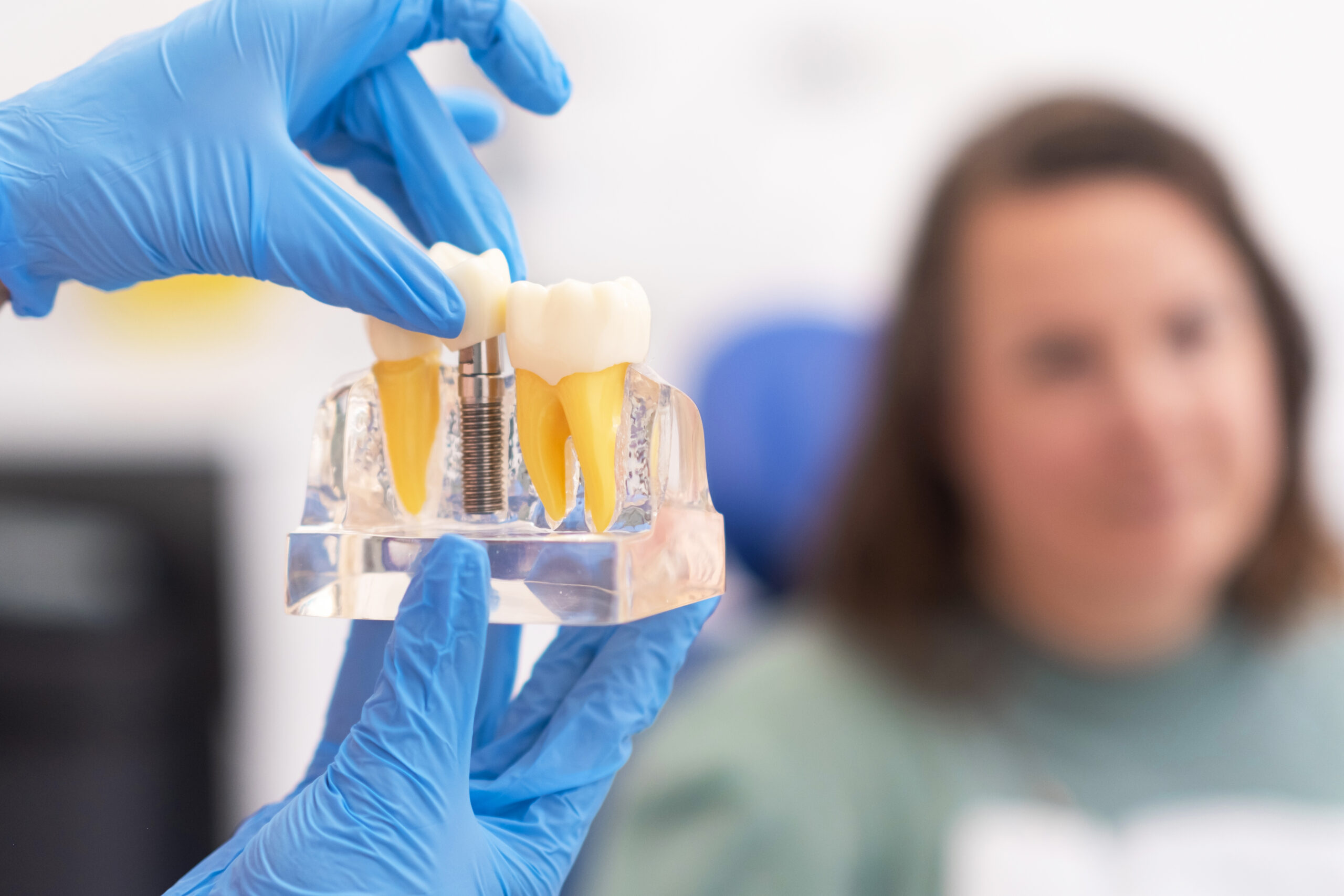
Dental implants are artificial tooth roots, typically made of titanium, that are surgically placed into the jawbone. Once healed, they provide a stable foundation for a crown, bridge, or denture, closely mimicking the look and function of natural teeth.
Implants offer several benefits, including improved chewing ability, clearer speech, better oral hygiene, and prevention of bone loss in the jaw. However, because dental implants involve surgery and cost more than other tooth replacement options, it’s important to determine when they are truly necessary.
When Are Dental Implants Necessary?
Dental implants may be the best solution in the following situations:
- Insufficient jawbone for dentures: When the jawbone is too weak or thin to support traditional dentures securely.
- Limited space for bridges or partials: When there isn’t enough room in the mouth for bridgework or removable partial dentures.
- Single tooth replacement: When one missing tooth needs a permanent, natural-looking replacement.
- Multiple missing teeth: When several teeth are missing, a stable, long-lasting solution is required.
- Discomfort with removable dentures: For patients who find removable dentures uncomfortable, unstable, or difficult to wear.
- Replacing an existing dental bridge: When an older bridge fails or the supporting teeth become compromised.
Alternatives to Dental Implants
If dental implants aren’t the right fit, your dentist may recommend one of the following options:
- Dental bridges: These use adjacent teeth as anchors for a false tooth placed in the gap.
- Removable partial dentures: A cost-effective solution that uses nearby teeth to support artificial teeth.
- Retainers with artificial teeth: These hold replacement teeth in place using wires or clasps.
- Full dentures: Suitable for patients missing all their teeth, these removable devices restore appearance and function.
Pros and Cons of Dental Implants
Advantages:
- Long-lasting: With proper care, dental implants can last a lifetime.
- Stability: Implants fuse with the jawbone, offering superior stability over bridges or dentures.
- Natural appearance: Implants look and feel like your own teeth.
- Bone preservation: Implants help maintain jawbone density by replacing the tooth root.
- Low maintenance: You can care for implants just like natural teeth—brushing, flossing, and regular check-ups.
Disadvantages:
- Cost: Implants can be expensive, and insurance coverage is often limited.
- Surgical procedure: Implant placement involves surgery and a healing period.
- Potential for complications: Implants may fail if placed in poor-quality bone or not properly maintained.
- Post-surgery discomfort: Temporary swelling, pain, and bleeding are possible after the procedure.
Final Thoughts
Dental implants offer a reliable and aesthetically pleasing solution for missing teeth, especially when long-term benefits are a priority. However, they are not suitable for everyone. Be sure to consult with your dentist to explore your unique situation, understand your treatment options, and decide whether dental implants are truly necessary for you.
Frequently Asked Questions
1. Are dental implants safe?
Yes, dental implants are generally safe when placed by an experienced dental professional. As with any surgery, there is a risk of infection or complications, but these are rare with proper care.
2. How much do dental implants cost?
Costs vary depending on the number of implants, location, and any preparatory procedures required. Dental insurance may not cover implants, so it’s important to review the financial aspects with your dentist.
3. Are there alternatives to implants?
Yes, common alternatives include dentures, bridges, and partials. While less expensive, they may not provide the same stability or longevity as implants.
4. Can anyone get dental implants?
Not everyone is a good candidate. You need healthy gums and enough jawbone to support the implant. Your dentist will evaluate your medical history and oral health before recommending treatment.



New Patients & Emergency Appointments Welcome!
