

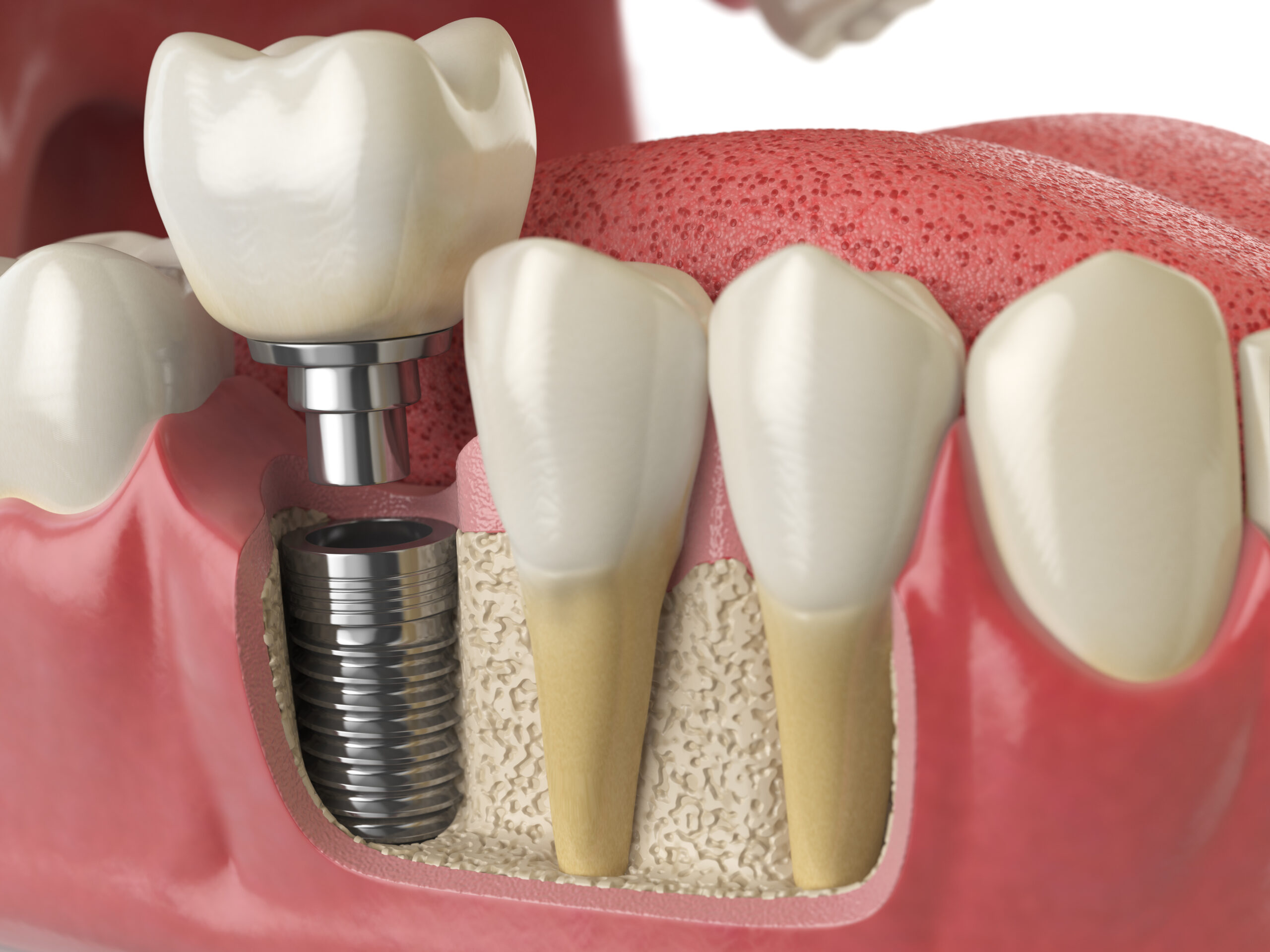
Being told you lack the bone density required for dental implants can be concerning. However, this does not mean the solution is no longer an option. With advancements in dental care and bone regeneration techniques, there are reliable ways to rebuild lost bone and prepare for missing tooth treatment. If you are considering dental implants, understanding how to enhance bone density is a crucial first step.
This blog will guide you through the most effective strategies to help restore the foundation needed for a successful outcome.
Why Bone Density Matters For Dental Implants?
You can boost bone density for a dental implant surgery through bone grafting procedures, guided bone regeneration, and proper nutrition and lifestyle habits supporting bone health. In some cases, supplements or medications may also be recommended to improve bone strength. A detailed evaluation by a dental professional will determine the most effective approach for your specific condition. Continue reading to explore these solutions in depth.
Factors That Contribute To Jawbone Loss Before Implant Treatment
Many patients do not realize that jawbone loss can start silently. Missing teeth, untreated periodontal disease, and aging can lead to bone resorption, where the jawbone shrinks over time. When teeth are missing, the bone no longer receives the stimulation from chewing, leading to gradual deterioration.
Additionally, certain medical conditions and smoking can contribute to this loss, making the jawbone too weak to support the procedure. However, with the right steps, you can rebuild and maintain the strength of your jaw.
Bone Grafting And Regeneration: Building A Strong Foundation
If you have been told you have insufficient bone, bone grafting for dental implants is a widely recommended procedure. It involves placing bone material into the jaw to encourage regeneration. This material can be sourced from your body or a synthetic substitute that helps promote new growth.
Another option is guided bone regeneration. It is a special membrane that directs bone growth in areas that need more density. Depending on your condition, these treatments are often used before or simultaneously with fixture placement.
With advancements in modern dentistry, many patients now experience successful outcomes even after significant bone loss. If you are looking for dental implants, these options are typically available.
Nutrition And Lifestyle Changes To Support Bone Health
While surgical options are essential, your everyday habits play a vital role in maintaining bone strength.
Include Bone-Friendly Nutrients In Your Diet
Focus on calcium, vitamin D, magnesium, and phosphorus-rich foods. Dairy products, leafy greens, nuts, fish, and fortified cereals can all support bone metabolism. Vitamin D is especially critical as it helps your body absorb calcium effectively.
Maintain A Healthy Weight And Exercise Regularly
Weight-bearing exercises like walking or resistance training help stimulate bone-building cells in the body. Regular physical activity can also prevent bone loss and improve blood flow, supporting healing after grafting.
Eliminate Habits That Harm Your Bone Density
If you smoke, consider quitting. Tobacco use can reduce blood flow to the jawbone and interfere with healing after surgery. Limit alcohol intake as it can affect your body’s calcium absorption and bone regeneration capabilities.
Using Medications And Supplements To Encourage Bone Growth
In some cases, healthcare professionals recommend bone-strengthening medications or supplements. These can include bisphosphonates or vitamin D3 with calcium if you are at risk of osteoporosis or already have low bone mass.
However, it is vital to consult with your dentist or healthcare provider before starting any new supplement or medication. They can guide you based on your individual health needs and ensure there are no interactions with other treatments.
Get A Professional Evaluation Before Moving Forward
A thorough evaluation is essential before deciding on any treatment path. Digital imaging tools like 3D CT scans help measure your current bone density and detect areas of loss. This allows for a customized treatment plan that improves your chances of long-term therapy’s success. Clinics offering prosthetic teeth treatment usually begin with a complete diagnostic process. This process ensures that fixtures are placed precisely and that any underlying bone issues are addressed before treatment begins.
Need Guidance? We Can Help!
Achieving strong bone density is absolutely possible with the proper care and planning. From clinical procedures like bone grafting to simple lifestyle changes, you have multiple options to boost your jawbone health. If you are looking for professional guidance and personalized care, we are here to help. Our experienced team offers advanced treatment solutions for dental implants in Gilbert and the surrounding areas. Schedule an appointment with us today to work together to restore your smile and confidence.



New Patients & Emergency Appointments Welcome!
